
Going out for an afternoon cruise, a family fishing trip, or a day on your pontoon? One key to responsible boating is making sure you have the right boat safety equipment onboard. Federal requirements established by the U.S. Coast Guard are minimum standards and don’t guarantee a boat or its passengers are safe, which is why states may adopt additional requirements above the federal requirements.[1]
Here, we divide boating safety equipment into three categories: equipment required by law, additional boat safety equipment worth considering, and personal supplies for comfort.
What Boat Safety Equipment Do You Need?
Required boat safety equipment varies depending on vessel length, vessel type, fuel and engine configuration, operating area, and whether you're boating on inland or coastal waters. The required safety equipment for boats can therefore differ from one vessel or waterway to another. There isn't one universal list of required equipment for a boat that applies in every situation.
The Coast Guard required boat equipment rules establish federal minimums, while states may add requirements for boats operating within their waters.[1] The USCG required boat equipment represents the federal baseline, so check the current Coast Guard boating requirements for your vessel and operating area.

Life Jackets and Personal Flotation Devices (PFDs)
Life jackets are essential boat safety equipment. Most boats are required to have at least one U.S. Coast Guard-approved wearable PFD for each person on board by federal standards, and boats that are 16 feet in length and longer must usually also have a throwable PFD (with a few exceptions).
Your PFDs should be serviceable, meaning not ripped or damaged, fit properly, and be suitable for the intended user and activity. When selecting life jackets for boats, check the approval label for size, intended use, and Coast Guard approval.[1]
Basic Boat Life Jacket Tips
Wearable PFDs should be readily accessible, not buried under equipment, and easy to reach when needed.
Kids Aren't Adults
Children under the age of 13 are required by federal standards to wear a life jacket. Understanding boat life jacket requirements is especially important when children or inexperienced passengers are onboard, since state rules may impose additional requirements.
Wear Coast Guard-approved life jackets at all times while the boat is underway
Make sure it fits properly and that all straps and buckles are working properly before you set sail
Ensure that it's appropriate for the wearer's weight and intended activity and that everyone on board knows where the life jackets are stored
Check the PFD boating requirements that apply to your location, vessel, and passengers before departure
Throwable Flotation Devices
A throwable flotation device is designed to be thrown to someone in the water rather than worn like a life jacket. A throwable PFD, such as a cushion or ring, is required on recreational boats 16 feet and longer, with some exceptions, although PFD requirements for boats can vary by vessel type and location. The device must be immediately accessible and not stored in a locked compartment.[1]
Florida law requires a throwable Type IV flotation device to be on board any vessel that is 16 feet or longer [3]. It’s a good idea to have a boat flotation device as part of your onboard equipment even if it’s not required by law for your particular vessel. A throwable flotation device can give you a second option for getting to someone who has fallen overboard while you get assistance from another passenger.
Marine Fire Extinguishers
A marine fire extinguisher may be required depending on your boat's length, construction, and fuel system. Coast Guard requirements vary by vessel characteristics, and newer boats may have different requirements than older boats. Don't assume every boat needs the same number or type of boat fire extinguisher.1
Check the fire extinguisher requirements for boats that apply to your vessel. Keep the extinguisher accessible and inspect it regularly for damage, corrosion or leakage. For a comprehensive review of USCG boat safety equipment, consult the Coast Guard's federal guide.
Sound-Producing Devices
A horn, whistle, or other suitable device is required in certain circumstances and is an important piece of safety equipment on a boat. Federal navigation rules require sound signals in situations including certain meeting, crossing and overtaking scenarios, restricted visibility, and anchoring.[2]
A sound producing device boat operators can use may be a built-in horn, portable whistle, or other effective sound-making device. Knowing boat horn requirements and boat whistle requirements helps operators communicate their intentions and avoid collisions.
Visual Distress Signals
Visual distress signals for boats help attract attention during an emergency. Requirements apply in certain coastal and Great Lakes waters, with exceptions based on vessel length and operating area. Examples include approved red flares, orange smoke signals, distress flags, and some electronic devices.[1]
If you’re carrying pyrotechnic signals, they must be U.S. Coast Guard approved, serviceable, and stored where they are readily accessible. Check for expiration dates on any signals you may have. Consider these emergency signals for boats as equipment intended for serious emergencies.
Engine Cut-Off Switch
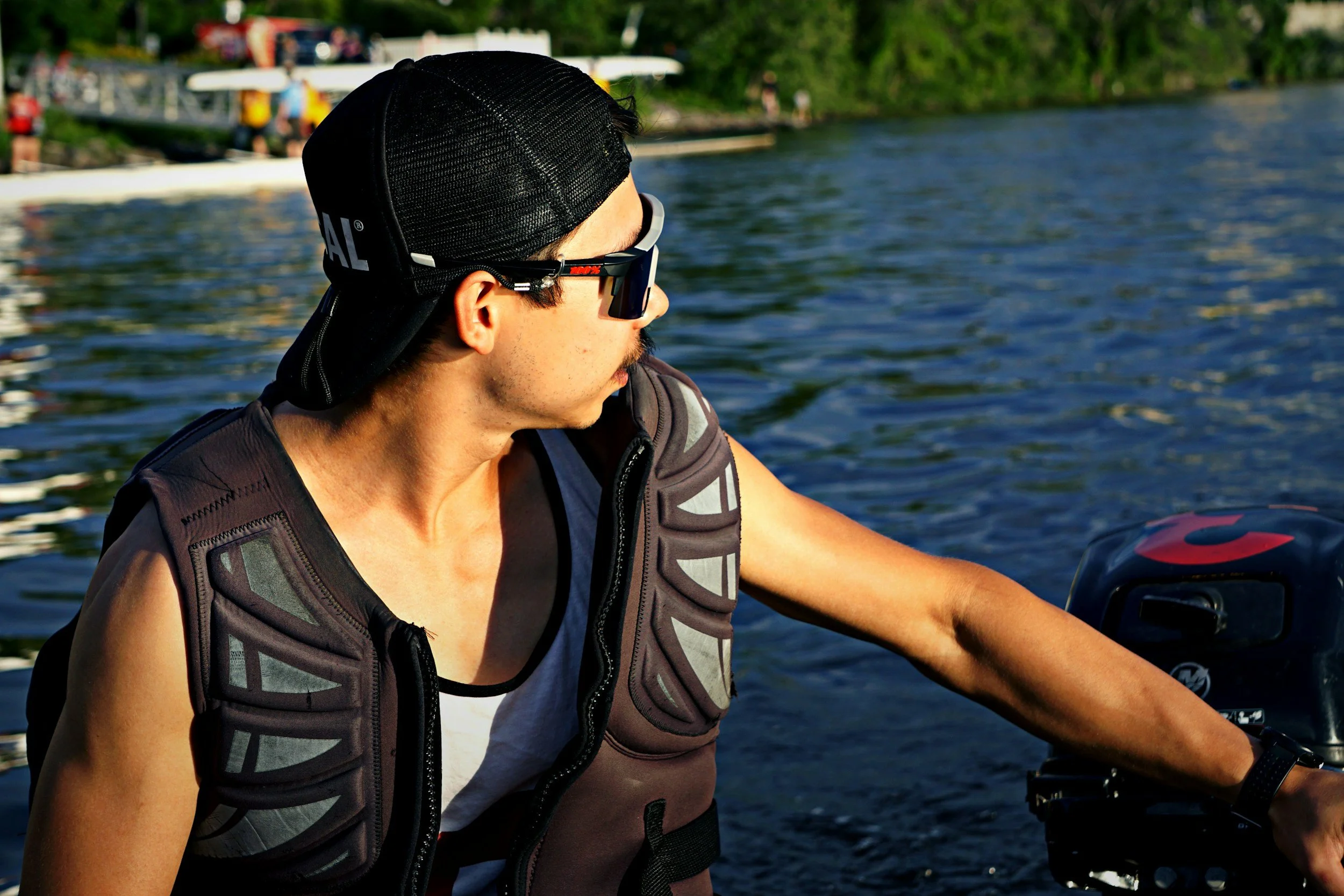
An engine cut-off switch will shut off the boat's engine if the operator is pulled away from the helm. It can aid in preventing runaway boat situations. Federal law mandates that operators of some recreational boats less than 26 feet long use an engine cut-off switch link when on plane or operating above displacement speed, if one is installed.1 Know how the system works before departure, particularly when operating an unfamiliar rental, pontoon, or fishing boat.
Communication Equipment
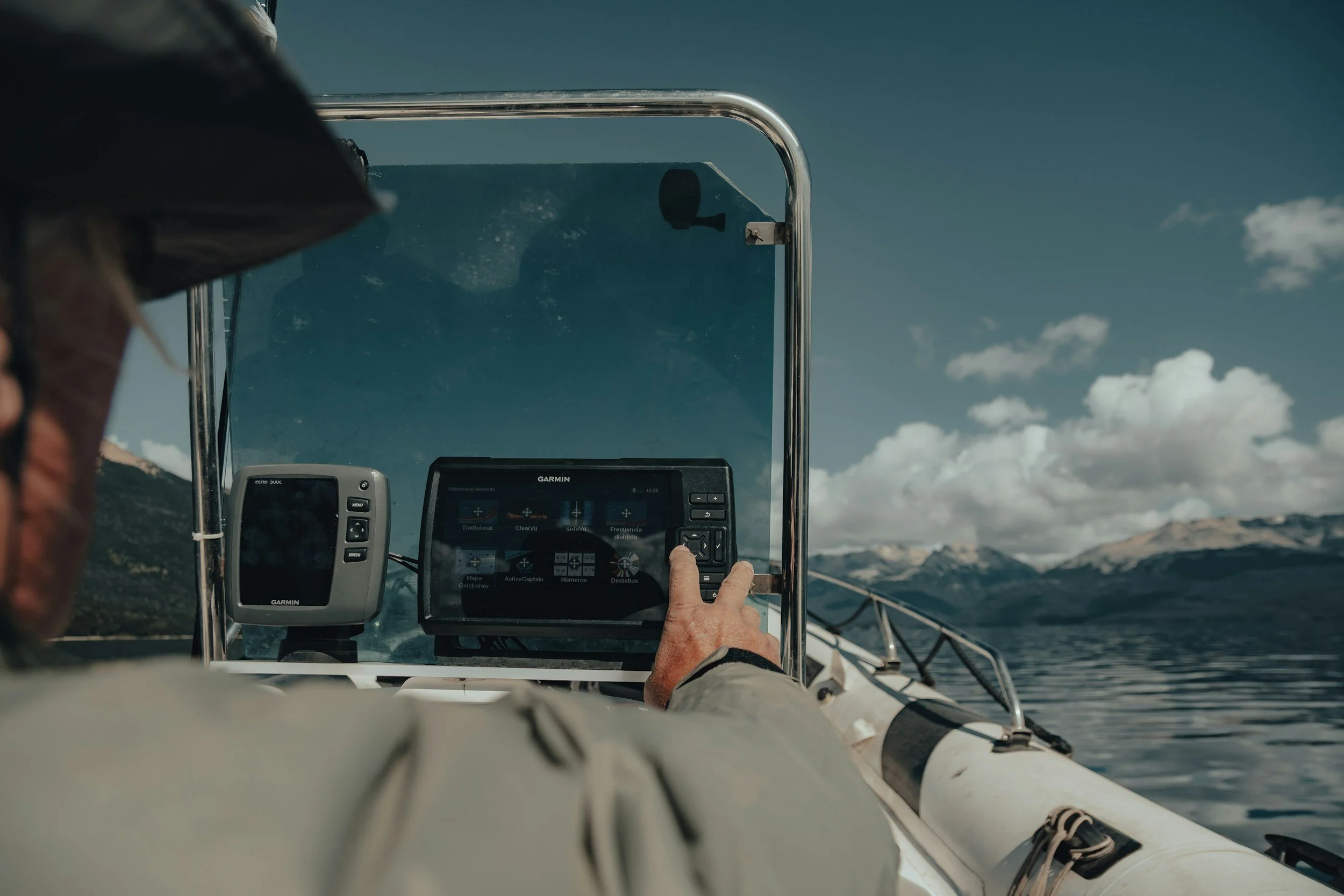
Cell phones can be useful boating communication equipment, but they shouldn't be your only option. A VHF radio for boats provides backup where cellular service may be unreliable. Keep your phone in a waterproof pouch and save marina and emergency contacts.
Depending on where you boat, you may want additional emergency communication boat equipment and backup power for essential electronics.
First Aid and Emergency Supplies
Not all essential boating equipment is required by law. A marine first aid kit can include bandages, disinfectant, splint materials, sterile gauze, and gloves. Boat emergency supplies can also help with minor injuries, equipment problems, and unexpected situations.
A first aid kit for boat use should include personal medications and be stored somewhere dry and accessible. Other boating emergency equipment may include extra line, tools, an anchor with rode, a flashlight, emergency contact numbers, and backup power. This emergency gear for boats is particularly useful when help isn't immediately available.
The Florida Fish and Wildlife Conservation Commission (FWC) also suggests carrying an anchor with enough line, a de-watering device such as a bilge pump, and a secondary means of propulsion such as an oar or paddle.[3] These boat safety supplies are not required on every recreational watercraft but can help prevent minor problems from becoming larger emergencies.
Personal Items for a Safer and More Comfortable Boat Day
Not all necessities are legally required. Personal supplies may include drinking water, sunscreen, a hat and sunglasses, non-slip shoes, weather-appropriate clothing, towels, a waterproof bag, food, and medications. These items add comfort to your recreational boat safety equipment.
Pre-Departure Boat Safety Checklist
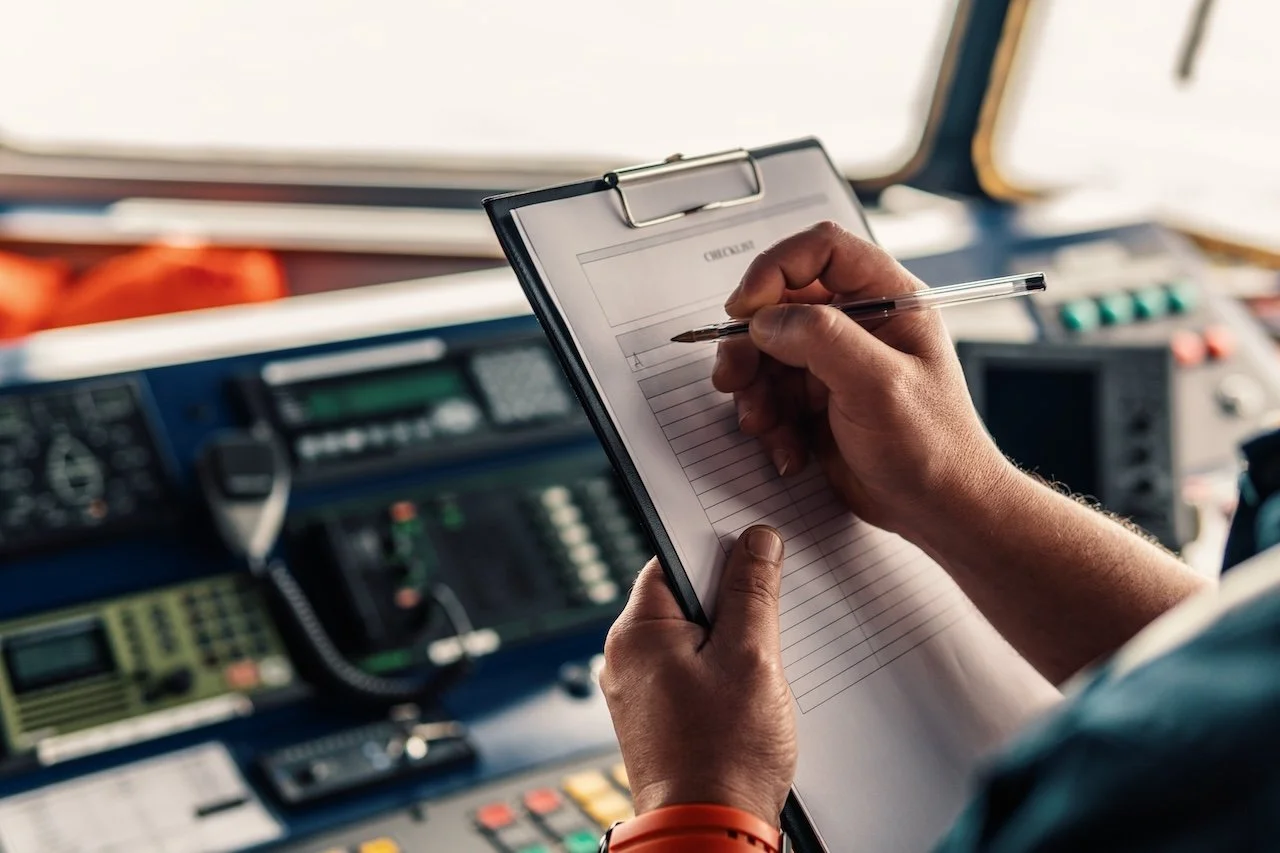
A pre-departure boating checklist can help identify problems before they become emergencies. Use this boating pre departure checklist before leaving the dock:
Review weather and water conditions
Confirm number of passengers and weight/load
Locate all life jackets and ensure proper fit
Review location of emergency equipment
Confirm that required equipment is on board
Check communication methods
Know where you’ll be operating
Review basic emergency procedures
Check fuel if applicable
Know how to turn off the engine
Ensure that passengers understand basic safety rules
Ask questions of dock personnel before leaving if you have any questions
You may sometimes hear a boating safety checklist be referred to as a boat safety checklist, boat equipment checklist, boat safety equipment checklist, or boating equipment checklist. The names may vary, but the goal is to ensure you are prepared to safely leave the dock.
Boat Safety Equipment Requirements in Florida
Florida breaks down minimum recreational vessel equipment requirements by vessel length: less than 16 feet, 16 to less than 26 feet, 26 to less than 40 feet, and 40 to less than 65 feet. Florida boat safety equipment and Florida boating safety equipment requirements may include PFDs, throwable devices, fire extinguishers, sound-producing devices, and distress signals depending on the vessel and operating conditions.[3]
Check your Florida boating safety requirements and Florida boat equipment requirements using the Florida Fish and Wildlife Conservation Commission equipment guidance, rather than relying on a generic checklist. Florida notes that its regulations are subject to change, so the official state guidance should be checked regularly.
Required vs. Recommended Boat Safety Equipment
Think of this as a starting point for understanding required safety gear for boats, rather than a substitute for checking the regulations that apply to your specific vessel and operating area.
| Equipment | Required in Some/Most Situations | Recommended | What It Is Used For |
| Wearable PFD | Yes | Yes | Flotation and personal protection |
| Throwable flotation device | Often on larger recreational boats | Yes | Assisting someone overboard |
| Fire extinguisher | On boats meeting applicable conditions | Yes | Fighting an onboard fire |
| Sound-producing device | Yes in applicable circumstances | Yes | Warning and communication |
| Visual distress signals | In specified operating areas | Yes | Attracting attention in an emergency |
| Engine cut-off switch | On certain recreational vessels | Yes | Stopping the engine if operator is displaced |
| First aid kit | Not generally federally required on every small boat | Yes | Treating minor injuries |
| VHF radio | Not universally required on small recreational boats | Yes | Emergency and routine communications |
| Cell phone | No | Yes | Backup communication |
| Anchor | Not regulated by the Coast Guard as required carriage equipment | Yes | Holding position and managing emergencies |
| Basic tools | No | Yes | Minor repairs and troubleshooting |
The Coast Guard establishes minimum federal carriage requirements, but states and local jurisdictions can add requirements.
What Safety Equipment Should You Check Before Renting a Boat?
Renting a boat doesn't exempt you from responsibility. Before leaving the dock, ask where to find the PFDs and emergency equipment, how to operate the controls, how to cut the engine off, where you should operate, and who to contact for help. Ask about local rules when exploring unfamiliar waterways.
Your Boat Club members can also review common boat rental mistakes, boat rental experience tips and 15 tips for safe boating with kids.
You can also review Your Boat Club's boating rules and regulations before your trip.
Whether you're operating a pontoon, tritoon, runabout or fishing boat, small boat safety equipment, pontoon safety equipment, and fishing boat safety equipment can overlap, but legal requirements vary by vessel and destination. Make sure you understand the safety gear for recreational boats required for your specific vessel and operating area.
Boat Safety Starts Before Leaving the Dock
Equipment is only one part of recreational boating safety. Check the weather, understand navigation rules, maintain a proper lookout, operate sober, and know how your vessel handles. The U.S. Coast Guard also recommends knowing how to use the equipment onboard. If conditions become rough, review our guide to boating safety in choppy water for tips on handling changing conditions and keeping passengers safe.
Use this list of boating safety essentials as a starting point, then check the regulations that apply to your boat and location. Finally, Your Boat Club's existing guide on boating equipment essentials and must-have safety gear can provide another reference as you prepare for your outing.
Creating a boating essentials checklist for a family lake day or recreational voyage can help you prepare. Take a few minutes before leaving the dock to review your gear and safety procedures so you enjoy your time on the water.

FAQs
What boating safety equipment is required?
Boating safety gear requirements depend on size, type, equipment, and where your boat operates. Most boats are required to have wearable PFDs, some sort of sound-producing device, fire extinguishers, throwable PFDs, and visual distress signals. Federal and state regulations vary, so review the regulations that apply to your boat.
What safety equipment should every recreational boat have?
All pleasure craft should carry the legally required equipment for the vessel. Ensure life jackets are easily accessible and have at least one sound-producing device and suitable emergency supplies. Helpful additions include a first aid kit, anchor, handy-tool kit, and a backup communication method.
Does everyone on a boat need a life jacket?
Boats should be equipped with an appropriately sized U.S. Coast Guard-approved wearable PFD for each person aboard. In Florida, children under the age of six are required to wear a PFD while the vessel is underway when on certain types of vessels.
What is a throwable flotation device?
A throwable flotation device refers to a device designed to be thrown to someone who is in the water, such as a throwable cushion or ring. Many recreational vessels 16 feet and longer are required to have one U.S. Coast Guard-approved Type IV PFD.
Does a boat need a fire extinguisher?
Certain recreational vessels must have at least one U.S. Coast Guard-approved marine fire extinguisher onboard. Which vessels require extinguishers depends on factors like length, fuel system, and if flammable vapors may accumulate. Regulations vary, so refer to the rules that apply to that vessel.
What emergency equipment should you keep on a boat?
A helpful addition to a boat emergency kit may be a first aid kit, extra line, anchor and rode, basic tools, flashlight, and battery-powered emergency phone numbers or backup power for essential electronics. A VHF radio and visual distress signals may also be included depending on the vessel and area of operation.
What should be included in a boat safety checklist?
A boat safety checklist should include required safety equipment, properly fitted PFDs, communication options, weather and water conditions, fuel, emergency procedures, and an engine cut-off system. Ensure passengers know where safety equipment is located before departure as well.
What safety equipment is required on a boat in Florida?
Safety equipment regulations in Florida are size specific. The equipment required on vessels under 16 feet, those greater than 16 feet but under 26 feet, those greater than 26 feet but under 40 feet, and those greater than 40 feet but under 65 feet in length vary. Equipment may include PFDs, sound producing devices, and when conditions are applicable, fire extinguishers, throwable PFDs, and visual distress signals.
What should you check before leaving the dock?
Review weather and waterway conditions, number of passengers, PFDs, required equipment, communications capabilities, and fuel and engine cut-off system prior to departure. Ensure passengers are familiar with basic safety procedures and the location of emergency equipment.
What is the difference between required and recommended boat safety equipment?
Required boat safety equipment is any equipment that federal, state, or local laws dictate that you must have or use. Recommended equipment may not be required by law, but can help keep you safe and ready should an emergency arise.
Article Sources
A Boater’s Guide to the Federal Requirements for Recreational Boats, November 2023. https://www.uscgboating.org/assets/1/AssetManager/Boaters-Guide-to-Federal-Requirements-for-Receational-Boats-20231108.pdf. Accessed September 29 2026.
U.S. Coast Guard Federal Regulations. https://uscgboating.org/regulations/federal-regulations.php. Accessed September 29 2026.
Florida Fish and Wildlife Conservation Commission. Required Safety Equipment, https://myfwc.com/boating/safety-education/equipment. Accessed September 29 2026.
