5 Common Boating Mistakes When Renting a Boat (and How to Avoid Them)
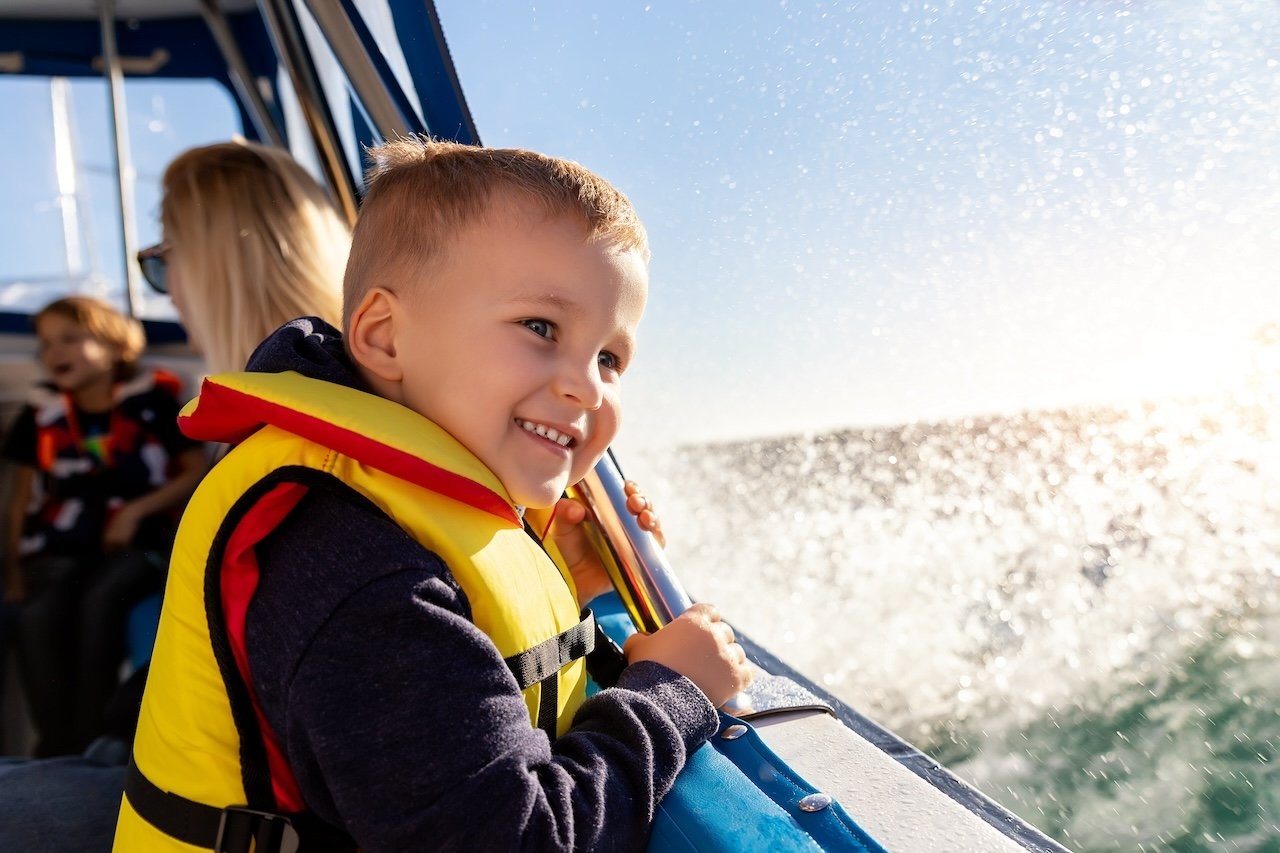
Renting a boat feels like being on vacation for most, but a few easy-to-make mistakes could take an otherwise fun day out and turn it into difficulty, particularly for first time boat renters.
If you’re new to the boating scene, or just looking for a tip refresher, read on for common boating mistakes renters make (and how you can avoid them) so you can stay safe on the water, avoid unexpected fees, and enjoy your rented boat. This blog post will give you the practical boat rental tips to set you up for success.
1. Misjudging Weather Conditions: What to Watch For
Weather-related issues rank high on the list of common boating mistakes made by renters. Chasing blue skies and ignoring wind will cost you.
Wind speed and direction rules the day more than sunshine because wind makes waves, chop, and handling issues. Waves get bigger and rougher with sustained or gusty winds. Moderate winds can pile up waves across open areas of water (known as fetch) and turn open water into an uncomfortable or unsafe experience, especially in small rental boats.
Look for protected bays, inlets, and shorelines on the downwind side of a lake, river or bay that can stay calm as gusts pick up.
Basic weather apps and a local boating forecast can tell you wind direction, sustained speeds, and gusts. Many apps also include simple radar imagery. Storm cells on radar appear as compact, fast-moving clusters. If one is approaching your location, shorten your route and stay close to protected areas.
Surface conditions on many inland lakes also change throughout the day. Water may be smoother during lower-traffic periods and rougher later in the day as winds and boat traffic increase. Always be flexible with your route so you can adjust if conditions change.
Go/No-Go Rules You Can Use
There are a few simple wind speed and wave height thresholds that can help you make safer decisions if you’re not a regular boater:
If sustained winds are over 15-18 mph, reconsider your trip or shorten your route
Avoid crossing long, open areas of water when gusts are building
Always have a Plan B route that stays close to a leeward shoreline or protected coves
Read More: How to Navigate Choppy Water
2. Overloading Your Boat: Safety and Capacity Tips
Overloading is one of the most common boating mistakes, and one that can lead to fines, poor handling, or worse.
Capacity Plate Rules
All rental boats are equipped with a capacity plate that has both an occupant limit and a weight limit. Capacity plate rules are important for safety reasons. Remember that weight limitations are the most dependable measurement to consider.
Adult and child passengers, coolers, fuel, water sports equipment, and bags all contribute to total weight and load distribution.
Common overloading mistakes to avoid:
Forgetting to include fuel, ice, and gear in calculations
Concentrating too many passengers in the front, forcing the bow down
Ignoring how movement and shifting affect stability
Keep weight low and centered whenever possible. When loaded correctly, you should still be able to see your freeboard, which is the distance from the waterline to the deck edge. If you can't see that margin, you have too much weight.
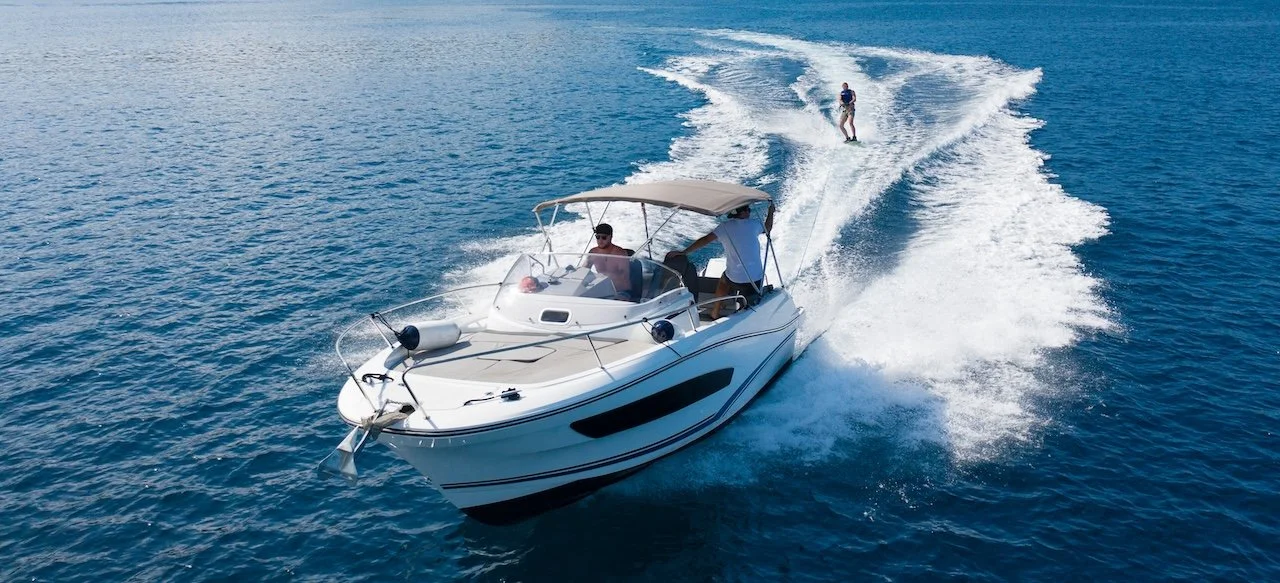
Keep in mind that if tubing or skiing is going to be happening, watersports require a driver, a spotter, and room to operate. Fewer passengers will enhance acceleration, steering responsiveness, and control.
Capacity Calculator Example
A simple calculation might look like this:
Adult passenger: ~150-200 lbs
Cooler with ice and drinks: ~40 lbs
Tube and tow rope: ~30 lbs
Fuel (full tank): varies by boat
Add these up before departure to prevent issues on the water.
3. Forgetting Basic Maintenance: Keeping Your Boat in Top Shape
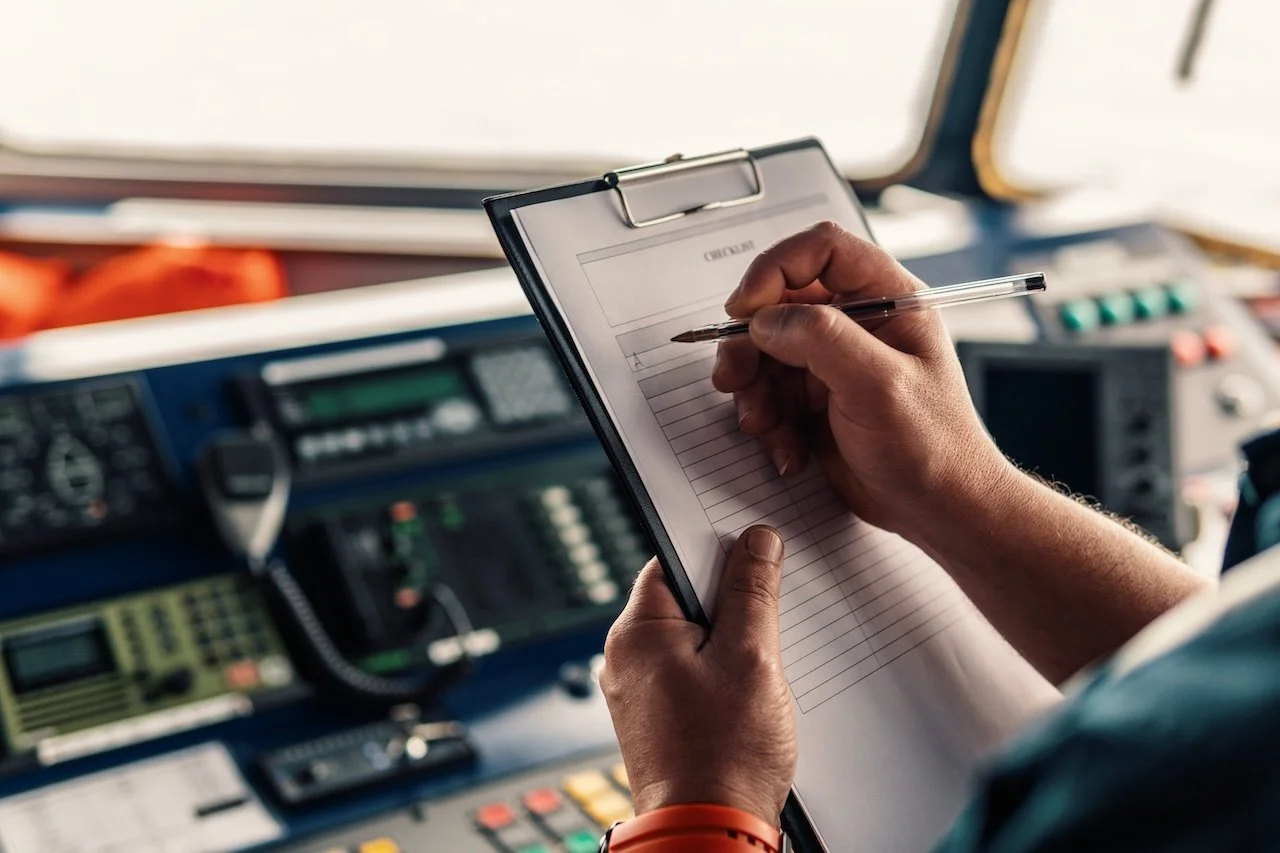
Skipping maintenance is another common boating mistake for renters. You’re not expected to be a mechanic, but neglecting a basic pre departure checklist boat inspection can quickly ruin a rental.
Quick 3-Minute Walkaround
A quick but thorough inspection before leaving the dock can prevent most on-water problems:
Check the propeller for visible nicks
Confirm lines and fenders are onboard
Test the swim ladder
Ensure the engine cover or cowling is secure
Check fuel level and confirm correct fuel type if refueling is permitted
Verify battery switch position
Start the engine and let it idle
Turn the wheel fully side to side to test steering
Test the bilge pump, horn, and navigation or anchor lights if needed
If you want to understand how different engines affect handling and performance, check out our guide to boat engine types.
After-Use Habits That Prevent Fees
Once you return:
Remove trash and personal items
Coil tow ropes neatly
Return lines and fenders to storage spots
Follow clean, drain, dry basics if instructed
Report any issues to staff immediately
Writing down concerns as they occur creates a paper trail and minimizes disagreements. Renting through Your Boat Club gives you seasoned marina staff who manage maintenance and inspections for you.
Read More: Boat Ownership vs Boat Membership: Which Is Right for You
4. Ignoring Navigation Rules: Avoiding Collisions and Fines
Navigation rules are another area where renters commonly run into problems. Failure to follow right of way boating rules, misreading marker signs, or understanding the meaning of no wake zones can result in collisions with other watercraft as well as boating fines and violations. You may also be cited by local law officials.
Right-of-Way in 90 Seconds
These basics prevent most problems:
Stand-on vessel maintains course; give-way vessel alters speed or direction
Overtaking boats always yield
In crossing situations, the boat being approached from starboard has right-of-way
Head-on situations: both boats steer right
Keep a proper lookout and at all times maintain a safe speed when you are operating near other traffic. Boaters should also practice good ramp etiquette when entering and exiting crowded marinas and launching areas. This will eliminate traffic congestion and reduce the possibility of a collision.
No Wake Zones & Distance Rules
No wake zone implies that your boat is idling so that it produces the least amount of wake. Many places such as docks, swimming areas, marinas, narrow channels, or bridges will be a no wake zone.
Wakes can damage property, erode shorelines, and injure people, making fines common in these areas.
Basic navigation markers:
Red markers: Stay to your right when returning
Green markers: Stay to your left
Diamonds: Hazards or channels
Crossed diamonds: Swim areas
Circles: Information or navigation details
Learning to read charts and navigation markers can make your trip safer. To learn more, see our full guide to charts and compass navigation.
Towing Etiquette & Spotter Duties
When towing riders, follow basic watersports safety tips to protect everyone involved:
Always have a designated spotter
Use clear hand signals
Make wide, gentle turns away from shorelines and other boats
Cut throttle fully before bringing riders back onboard
Watch the prop area carefully
5. Skipping the Safety Briefing: Why It’s a Risky Mistake
The quickest way to find trouble is by tuning out the marina safety briefing. Veteran boaters should still take the time to learn how an unfamiliar boat handles.
Gear Check: Where Everything Lives
Know the location and use of:
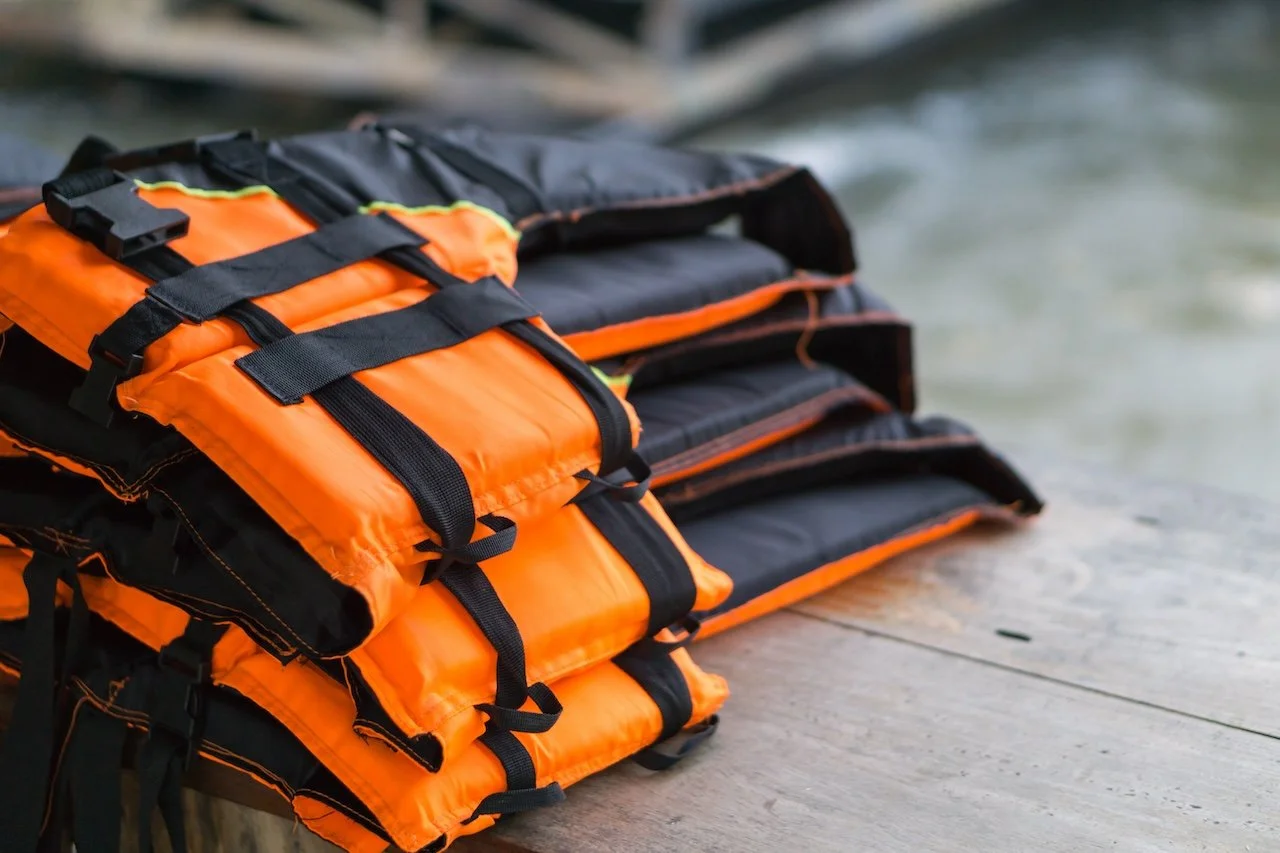
Life jackets (check fit and follow local life jacket requirements)
Throwable flotation devices
Fire extinguisher
Horn or whistle
Anchor and rode
Spare lines and first-aid kit
Micro-Drills
Review simple responses before departure:
Engine stalls: Neutral, restart, communicate, deploy anchor if drifting
Man overboard procedure: Point, shout, toss flotation, circle back slowly, approach from downwind in neutral
Weather change: Head to the nearest protected shoreline and communicate your plan
Always designate a sober skipper, confirm the use of the engine cut off switch and lanyard, and exchange contact numbers with all onboard.
Before You Go: Renter-Specific Pro Tips
Reserve time slots that match calmer traffic patterns
Confirm fuel policy in advance
Take photos of the boat at pick-up and return
Review local rules provided by the marina
Save the marina’s phone number
These steps are especially helpful for boating for first timers and reinforce good boating etiquette for beginners.
Ready to Rent?
You can avoid common boating mistakes by familiarizing yourself with this boating safety checklist, paying attention during your briefing, and choosing a rental company that has you covered from launch to return.
Check out Your Boat Club memberships and our wide variety of boat rentals. Going on a multi-day voyage? Read our multi-day boat trip guide for tips on staying comfortable, safe, and on course.
With a little forethought, you can avoid common boating mistakes and ensure your rental is one to remember.
Boat Rental FAQs
Do all passengers need to wear life jackets?
Requirements vary by location and age, but children should wear them at all times.
What if the weather changes mid-day?
Shorten your route, seek protected areas, and contact the marina if needed.
Can we bring pets, coolers, or grills?
Policies vary, so always confirm in advance.
What causes damage fees typically?
Improper docking a boat, propeller damage, disregarding no wake zones, bad ramp manners, and fueling and maintenance mistakes are the leading causes of damage assessments and citations.
