Top U.S. Destinations for Boating in International Waters
The United States has some of the easiest access to boating in international waters that you'll find anywhere in the world. Boaters can access waterways that lead to international waters from just about every direction, whether it's through the Great Lakes, Gulf of Mexico, Atlantic coast, or Pacific coast, and each route offers dozens of pathways into unique aquatic territory. But what happens when you leave territorial waters? Here's your guide to preparing for boating adventures that reach outside U.S. borders.
Understanding International Boating Laws and Regulations
The 12-Nautical-Mile Rule
The 12 nautical mile rule defines a country’s territorial waters limit. Essentially it’s how far from a country’s coastline that international waters start. Within those 12 miles, a country can enforce its laws, regulate shipping, and manage customs and immigration.
Past the territorial waters, there are additional zones: a contiguous zone extending to 24 nautical miles from shore, and exclusive economic zone (EEZ) reaching up to 200 nautical miles, and then the high seas, which are true international waters governed by maritime laws and treaties of the United Nations Convention on the Law of the Sea (UNCLOS).
For recreational boaters, this article of international maritime law means that things change once you pass 12 nautical miles offshore. You're no longer governed by the same coast guard patrols and enforcement regulations. Granted, however, U.S. law does not stop at our borders: if you sail under an American flag, you bear the obligations of that flag while in international waters. As a boating traveler or captain sailing abroad, it’s important to know your home country's laws first and foremost.
Can You Boat to Canada From the United States Recreationally?
Yes. Crossing from the United States into Canadian waters for recreational boating is one of the most common ways Americans visit international waters as it's relatively easy and well-established. As in all border-crossing situations, you must follow Canadian Border Services Agency (CBSA) cross-border boating regulations. Boaters must complete customs clearance boating requirements and declare their arrival to Canada at the appointed port of entry.
Documentation you'll need includes:
Valid passports from all persons onboard
Proof of vessel registration and boat ownership
Valid VHF radio license, if required
Boat insurance
Proof of sufficient safety equipment
Check both American and Canadian boating safety standards to verify that you're meeting COLREGS (the international marine navigation rules) for each country. One important note: U.S. boat insurance likely does not cover travel in Canadian waters. Double-check your policy and consider buying supplementary coverage or a temporary Canadian policy before your trip.
Can You Boat to Mexico From the United States Recreationally?
Again, yes! Those who live on the Pacific coast have Mexico as one of their closest international borders, giving residents along the Gulf of Mexico and Sea of Cortez plenty of opportunities to travel into Mexico from the United States coastline. Reminder that any boaters crossing into Mexico will be required to clear customs and enter Mexican waters with international boating permits, such as a Temporary Import Permit (TIP), as well as tourist visas and FMMs for every passenger and crewmember onboard.
Documentation you'll need includes:
Valid passports
Original vessel title and registration
Mexican boat insurance (U.S. insurance is invalid in Mexico)
Crew list and zarpe (the official exit clearance document issued by port authorities when a vessel is leaving a port or clearing out of the country) if originating from outside Mexico
Mexico enforces COLREGS regulations as strictly as the U.S. does, so always double-check the rules before bringing weapons, firearms, accessories, or vehicles across the border as the penalties are severe.
How to Prepare for Long-Distance Boating Trips
Long-distance offshore cruising and boating in international waters requires an extra level of passage planning before you depart. Take these tips seriously and run your own checklists before every offshore voyage.
File a Float Plan
Always file a float plan checklist with someone on land before making an offshore trip. Note the specifics on your boat, such as colors, decals, and dock numbers, as well as where you're headed, when you plan to arrive, and who is aboard. If you don't check in, that person should have phone numbers for everyone onboard and know immediately who to call.
Know Your Fuel Range and Plan Accordingly
Your fuel range calculations for the boat should never exceed one-third of your fuel tank for any given leg of your trip, factoring in current drag and headwinds. Always overshoot estimates and carry more fuel than you think you'll need. Plan on having food and water for at least two days, in addition to what you think you’ll need for the duration of your trip.
Understand How to Read Offshore Weather Forecasts
When offshore weather planning, rely on multiple sources. NOAA marine forecasts, offshore buoys, and offshore weather services can all provide you with the information you need to make the best decision possible. Just because it looks like good boating weather where the boat is docked doesn’t mean it will be 30 miles offshore.
Have Some Means for Emergency Communication
A VHF radio is a must. Register your EPIRB (Emergency Position Indicating Radio Beacon) to your boat for offshore travel, and keep a full suite of communication equipment onboard. For boats that travel frequently and carry passengers, an AIS transponder allows commercial ships to always see your location. Satellite-based communication devices allow you to reach emergency services beyond the range of your VHF.
Carry Multiple Forms of Navigation
Although GPS technology has improved, the result has eroded basic skills required to navigate with a map. Keep paper charts for every region you'll travel through, know how to read them, and carry a backup compass.
These open-water boating tips make the difference between a great trip and a dangerous one.

Best U.S. Destinations for International Boating Adventures
Great Lakes Cross-Border Cruising
Venture north into Canadian territory or east through the Great Lakes system - the Great Lakes offer boaters plenty of opportunities to test their offshore and international waters chops. Lake Superior has more than 31,700 square miles of area to explore, and has ample shoreline cruising as well as true open-water stretches. The region also has a healthy harbor-to-harbor cruising scene, complete with maintained marina systems, traditional waypoints, and binational boaters who view crossing the U.S.-Canadian border as nothing more than another destination along their route.
Duluth is located at the far western tip of Lake Superior and makes a fine basecamp for launching yourself into binational Great Lakes cruising. Isle Royale or the Apostle Islands are great starting points, as is venturing north toward Thunder Bay. You can even chart a longer course through the Great Lakes to Ontario or Michigan.
Northern Border Wilderness Waters
Canada's northern boundary with the United States runs through some of North America's most secluded and rewarding boating grounds. Traveling here requires a greater degree of independence than your average bay-to-bay cruise. Charts are your lifeline, cell phone coverage is limited, and Mother Nature can change rapidly on the big lakes. Boaters who prepare carefully, however, find a stretch of border waters that feels genuinely untouched.
Boundary Waters Region
The Minnesota-Canadian border hosts some of the best wilderness waterways in North America. Recreational boaters can experience true border waters here with shared lake systems, less commercial development, and more opportunity to explore remote, untouched terrain.
Read Also: Top Family-Friendly Destinations in Minnesota for a Getaway
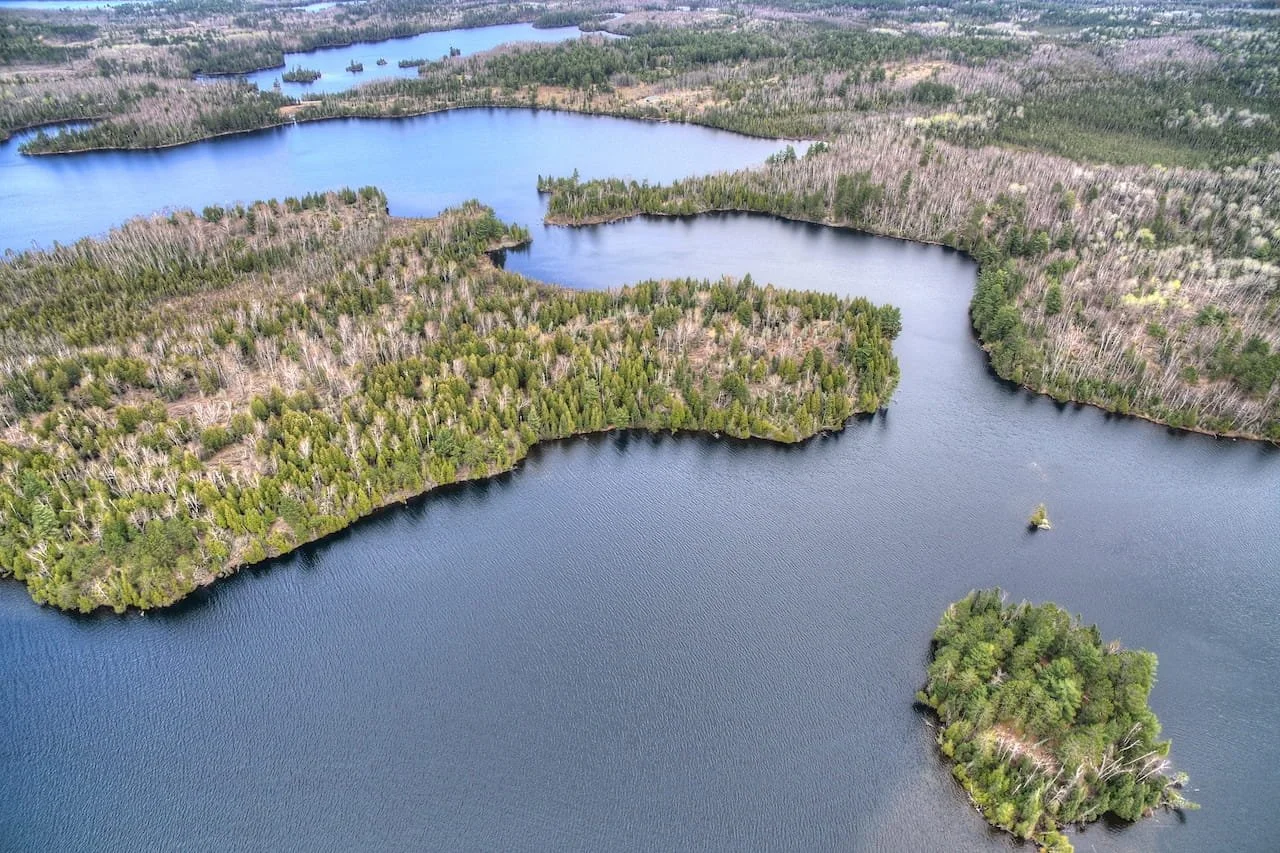
Boundary Waters near Ely, MN
San Juan Islands, Washington
Occupying the maritime border between Washington State and British Columbia are the San Juan Islands, easily one of America's finest boating destinations for international cruising.
San Juan visitors will find deserted islands, plenty of marine life, and rustic-yet-established island towns. Roche Harbor and Friday Harbor are two good spots to resupply and clear customs on either side of the border.
Gulf Offshore Exploration
Florida's Gulf Coast gives U.S. boaters one of the easiest routes to the coast of international waters, with launches out of Fort Myers Beach, Naples, Punta Gorda, or the Tarpon Springs/St. Pete area. The continental shelf provides more gentle travel offshore without plunging into deep water too quickly, but do watch weather patterns closely as tropical storms can develop rapidly in the Gulf.
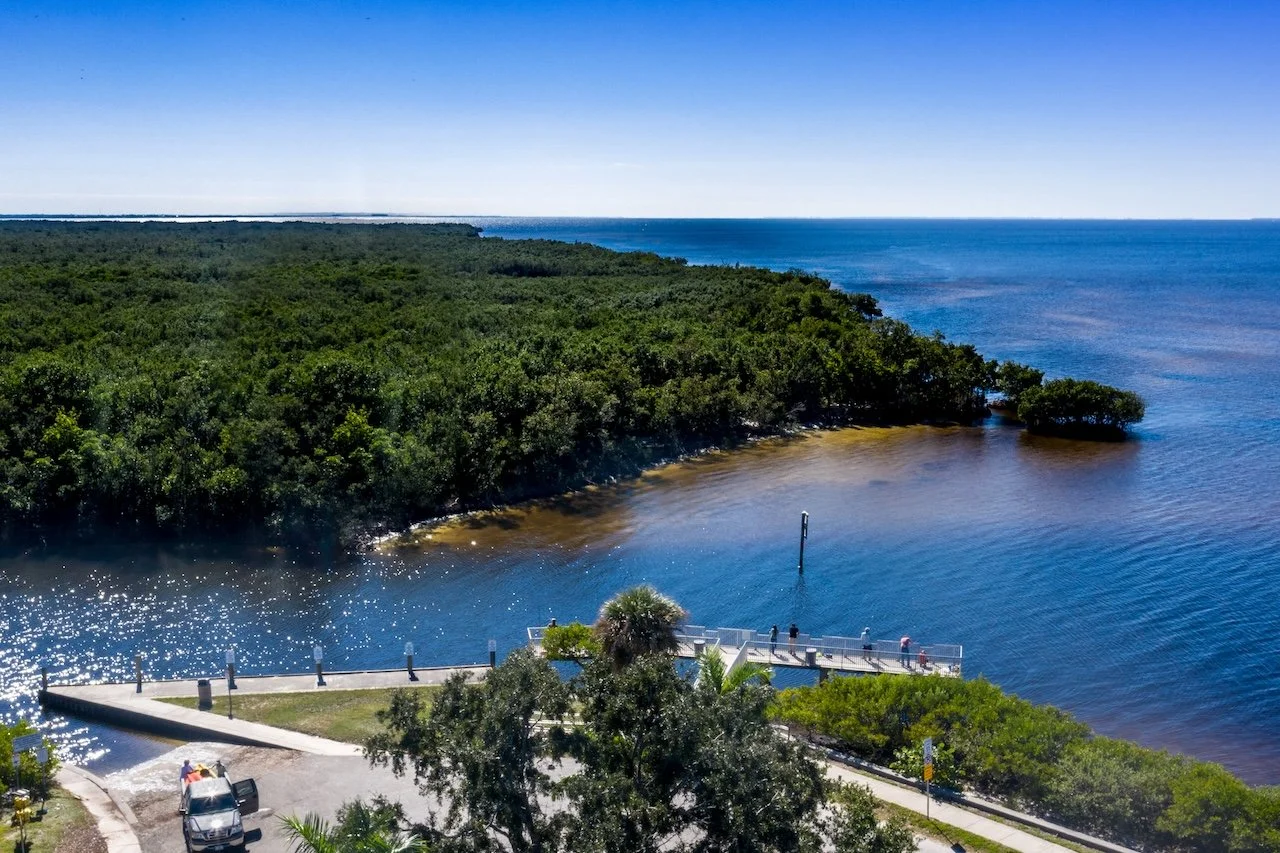
Ponce de Leon Park in Punta Gorda Florida
Detroit River & Lake St. Clair, Michigan
The Detroit River and Lake St. Clair area provides one of the most unique settings for international boating in the country. Freighters ply one of the world's busiest international trade routes while pleasure craft motor past Detroit's towering skyline and Windsor's downtown core on opposite shores. Linking Lake Erie with Lake St. Clair, the Detroit River also provides boaters with access to open-water cruising in both directions.
Scenic Border Rivers
Bordering Minnesota and Wisconsin is the St. Croix River. Cruising this area will allow you to experience small-town marinas and dockage as well as scenic riverfront and sandbar stops. You’ll find small river towns scattered along both banks as well, making this river ideal for recreational boaters looking to travel border waters without having to worry about preparing your vessel for offshore conditions.
Florida Keys & Straits of Florida
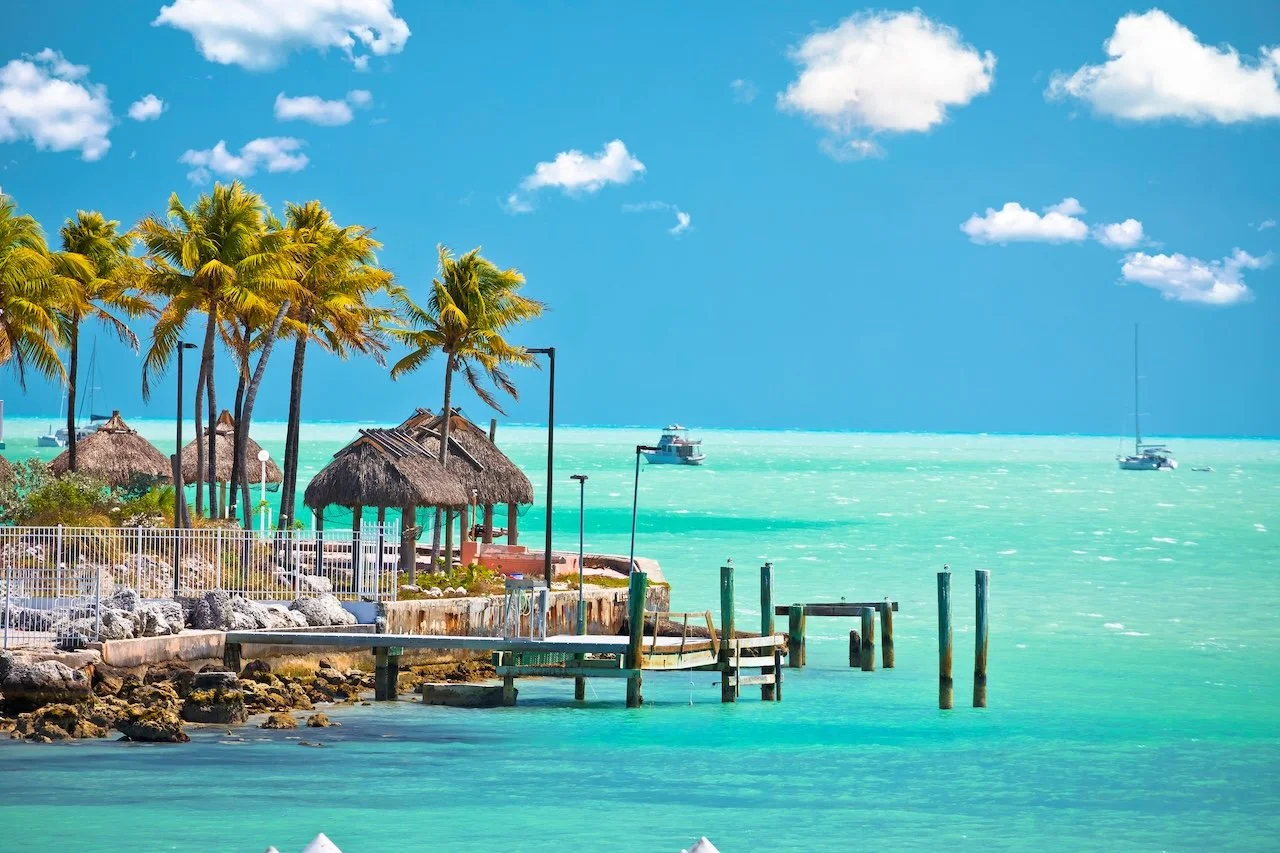
Situated at the crossroads of the Atlantic Ocean and the Gulf of Mexico, the Florida Keys afford some of the shortest distance to open international waters in the continental United States. Here, opportunities are virtually limitless from deep-water fishing to cruising among coral reefs, or planning a voyage to the Bahamas with the right paperwork in hand. Tides and currents can be strong in the Straits of Florida, so be sure to monitor tide and current predictions when plotting your course.
Read Also: Essential Florida Boating Vacation Tips
Safety Considerations Unique to International Waters
International waters pose safety risks that most weekend warriors never face on day trips. Search & Rescue response time increases when your float plan crosses international borders, and offshore weather can change much more quickly than beach forecasts. Allow plenty of time for every stage of your float plan, and if it looks iffy, DON'T GO. No beach is worth risking the lives of your crew.
FAQs
Do I need a passport to boat in international waters?
Technically speaking, no, if you aren't going into another country. However, everyone aboard should have a valid U.S. passport while boating in international waters as you will need it to enter a foreign port.
How far offshore is international water?
With the 12-nautical mile rule, U.S. territorial waters reach 12 nautical miles from shore. Outside of that is the contiguous zone, then the exclusive economic zone, and finally the open high seas or international waters.
What safety gear do I need for offshore boating?
At a minimum, you need USCG-approved life jackets, visual distress signals, a fire extinguisher, VHF radio, and a sound producing device. For extended offshore and international travel, you’ll need to add an EPIRB, marine GPS, life raft, jacklines and tethering method, a fully equipped first aid kit, and various navigation equipment.
Ready to Get on the Water?
Become a member of Your Boat Club and enjoy a fleet of expertly maintained boats across dozens of locations, many conveniently located right next to international waters. View See membership benefits and explore rental info to begin planning your next trip.
