
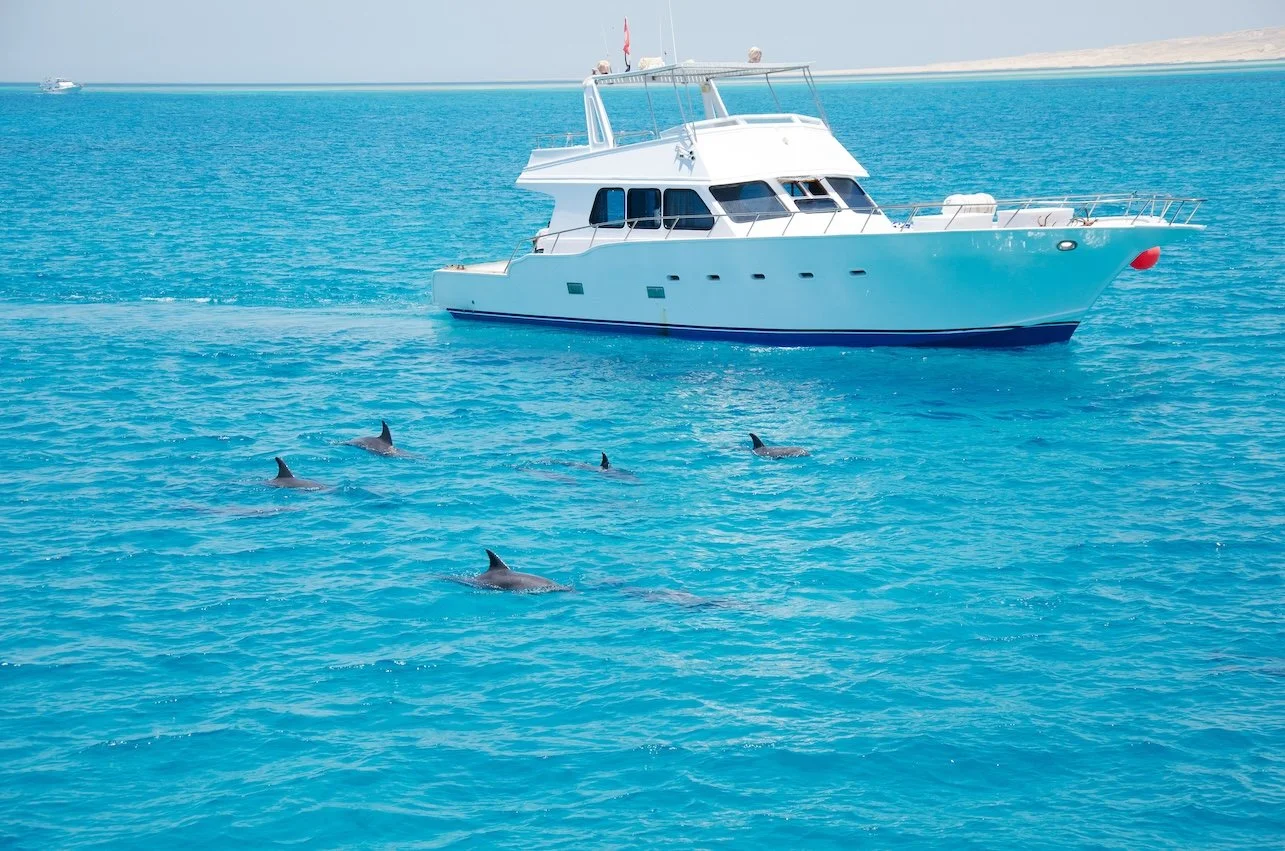
Boating is one of the easiest ways to enjoy wildlife. But every wake you create and every lure you drop has an impact on the marine mammals, fish, and ecosystems around you. Fortunately, protecting marine wildlife starts with establishing habits that will keep lakes, rivers, coasts, and oceans vibrant for future boaters.
No matter what kind of water you're boating on, this blog post will cover everything you need to know about protecting marine wildlife while on the water – from minimizing your impact every time you head out, to identifying marine wildlife and habitats that need protection, to behaving correctly when you encounter wildlife (keeping both you and them safe), to recognizing and reporting injured animals, plus what to keep in mind when fishing or bringing pets aboard. Finally, we'll look at how boat clubs like Your Boat Club help amplify marine conservation efforts.
Eco-Friendly Boating Practices to Minimize Impact
Boating has a real boating environmental impact on the water and everything living in it. But you can minimize your damage by following a few eco-friendly boating practices:
Dispose of waste properly: Practicing good boat waste management means keeping trash onboard until you can dispose of it on land, and never dumping sewage, oil, or litter into the water. Your boat should have holding tanks for sewage and oil, and most marinas have pump-out stations to use instead of dumping directly into the water. You should also keep a dedicated trash bag on deck to ensure nothing blows into the water while you're on the move. Otherwise, bait niblets, bottle caps, and cigarette butts can all end up being ingested by sea life.
Use eco-friendly cleaning products: Just like humans, fish, turtles, and other wildlife can be harmed by harsh cleaning chemicals. Many engine cleaners and boat soaps contain phosphates that are harmful to marine life, even if you're diligent about collecting rinse water before it dumps into the lake. Look for phosphate-free options that use biodegradable ingredients instead.
Limit your noise pollution: Boat engines can also cause serious stress to wildlife, particularly animals that use the earth's magnetic fields and sonar to communicate and orient themselves. Dolphins and manatees can be disturbed by loud engines and music, so keep your volume down and limit engine RPM when navigating near wildlife to reduce boat noise pollution.
Read More: How to Navigate Using Only Charts and Compass
Understanding Local Wildlife and Their Habitats
The more you know about what lives around your boat, the easier it is to protect marine wildlife.
Research common species in your boating area
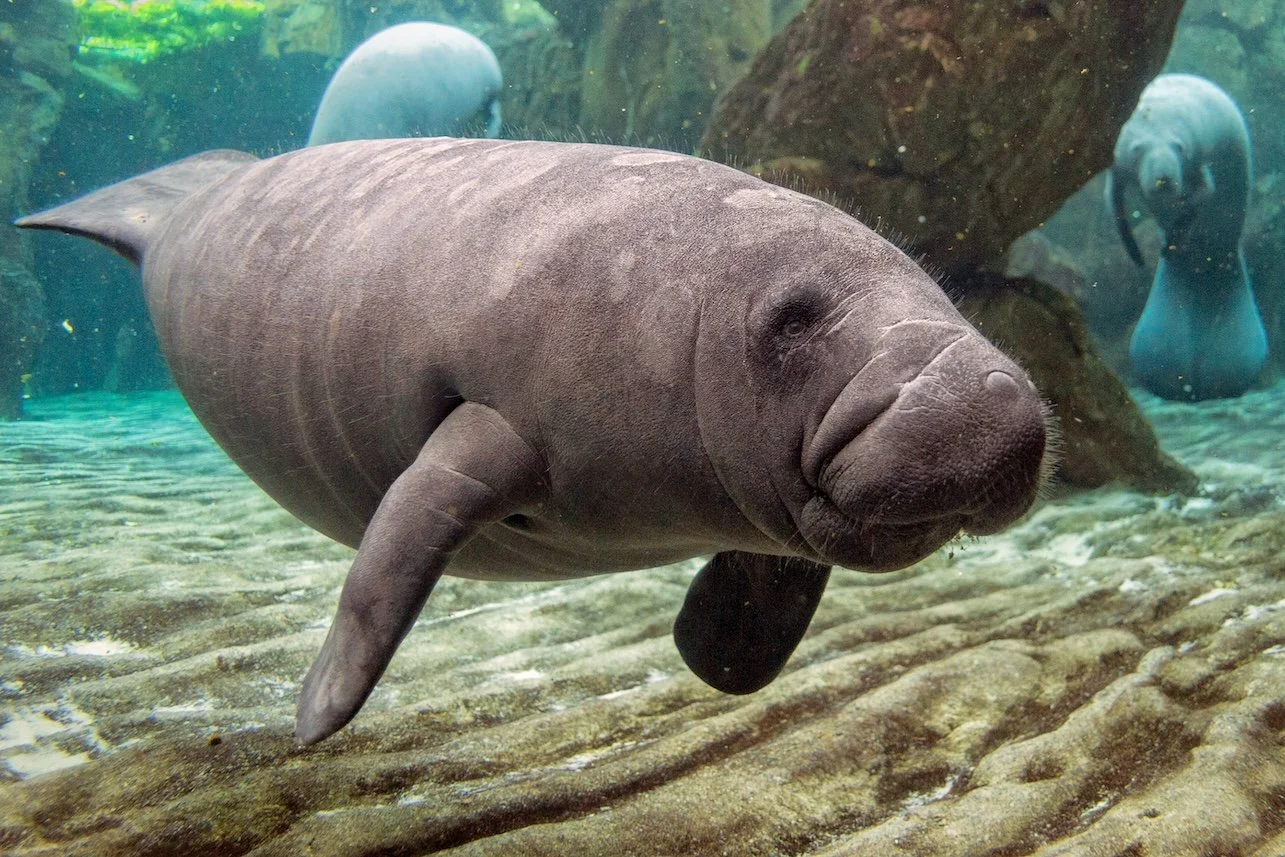
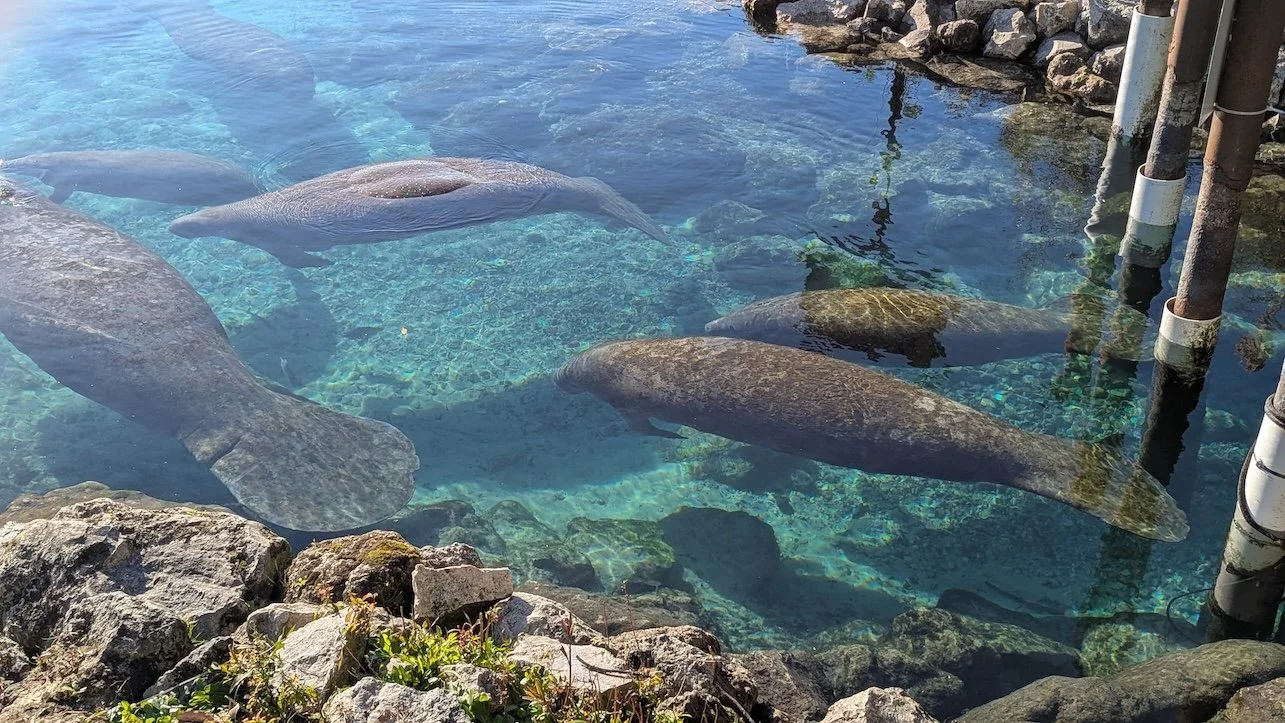
Did you know there are over 2,000 species of fish native to Florida alone? Manatees, dolphins, sea turtles, fish, and birds are just a few of the most commonly seen marine wildlife while boating. Understanding the local species will help you identify signs of marine life before you see it. Keep an eye out for bubbling water, surface ripples, or manatee footprints to avoid disturbing marine life underwater.
Research seasonal patterns
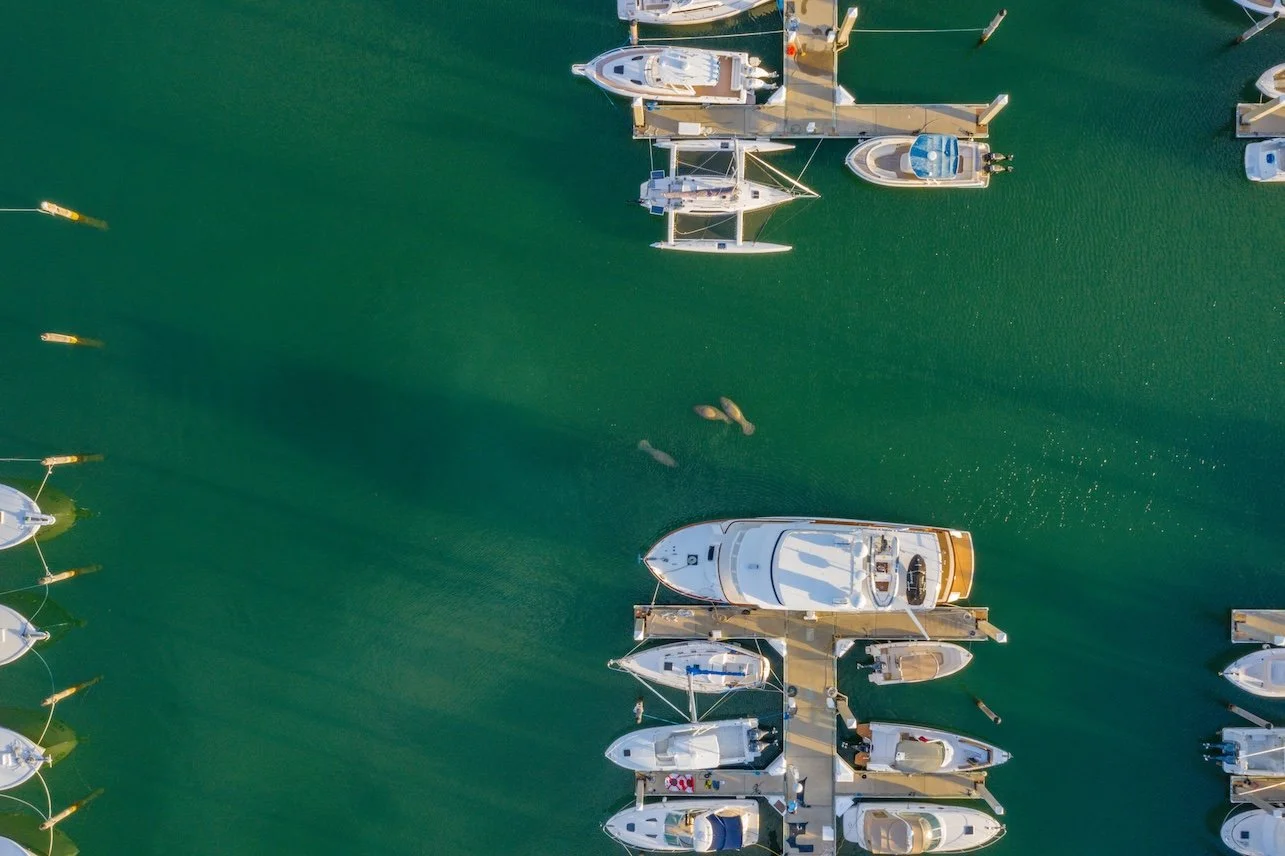
It's also important to understand when certain species are nesting or mating so you can avoid these waters during prime seasons or navigate more carefully. Manatees tend to congregate in warm waters during colder months, while sea turtles often nest on beaches during summer.
How to Avoid Protected Areas and Follow No-Wake Zones
Even if you're not in a breeding or nesting season, some areas of water are more vulnerable than others. Avoiding boating in protected areas is one of the best ways to protect marine life.
Use your GPS to identify protected areas
GPS programs like chartplotters and Coast Mapper often include information on manatee zones, sea grass beds, shorelines, and protected areas. Double-check your location before leaving the dock and keep this information visible at all times while on the water.
Do your part in no wake zones
No wake zones are critical for protecting shoreline habitats and minimizing stress to aquatic life, which is exactly why understanding no wake zones importance matters for every boater. Not only will you ruin your day by speeding through these areas, but you could run into fines or penalties from local authorities. Always obey signs and keep your boat slow/idle when traveling through areas with seagrass beds and docks or areas with wildlife present.
Safe Viewing Distances for Marine Wildlife
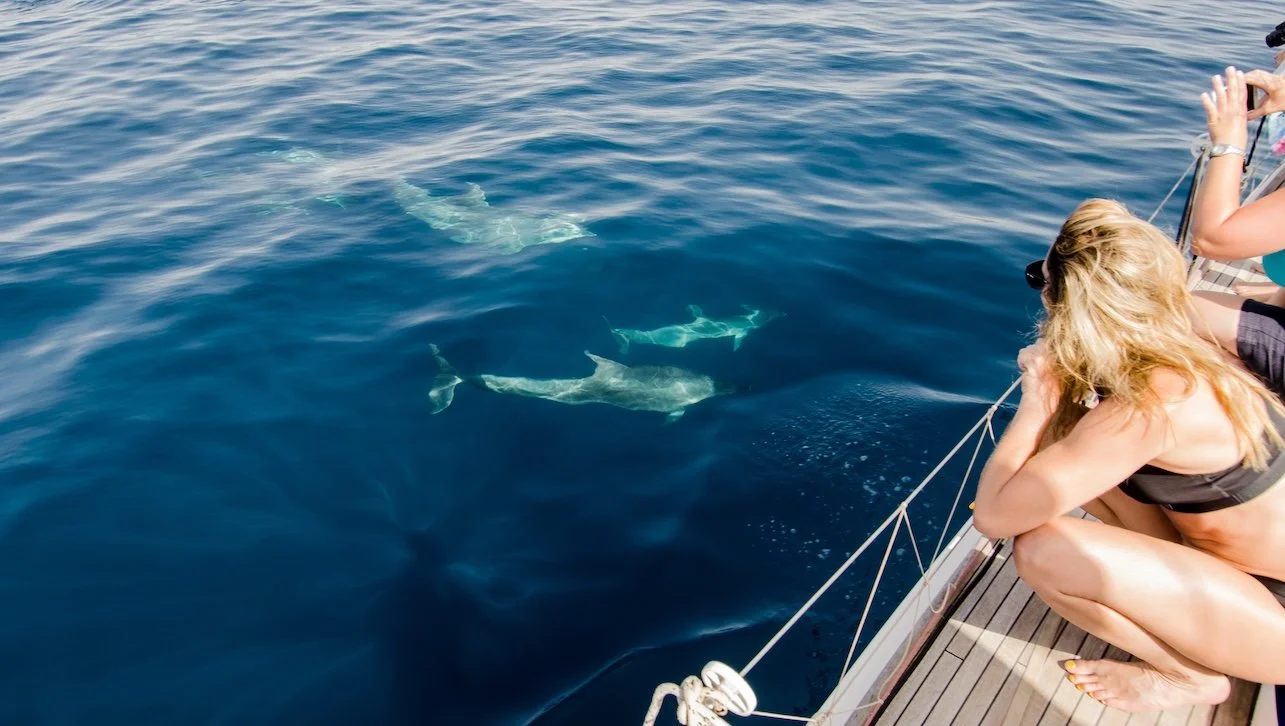
It might be tempting to get a closer look at that tripletail you just know is hiding under your boat, but maintaining safe wildlife viewing distances is important for protecting marine life. Following basic marine wildlife observation guidelines keeps both you and the animals safe.
Give whales, dolphins, and shore wildlife space. Though this number can vary depending on where you're boating, a good rule of thumb is to give whales, dolphins, manatees, and sea turtles at least 50 yards of space. If any marine life approaches your boat, we suggest turning off your engine and allowing them to pass under or away from your boat safely. You should also avoid boating directly next to shore dwellers like nesting birds and turtles.
Fishing Responsibly When Boating
Few things bring people together like sharing a fresh catch from your boat. However, responsible fishing from boats ensures that you won't harm any fish or marine wildlife in the process.
Catch and release best practices
Make sure you're releasing fish safely by keeping them in the water, handling them with wet hands/rubber gloves, and using a dehooking tool. When you're ready to release your catch, revive the fish by holding it in the water and moving it forward until it swims away on its own.
Proper disposal of fishing lines and lures
Used fishing line can entangle seabirds, turtles, marine mammals, and other animals for years if not disposed of properly. Never throw fishing line, hooks, or lures into the water. Dispose of them on land and recycle them if your local bait shop or marina has a recycling container for used fishing line.
Read More: Fishing from a Boat: A Guide for Beginner Anglers
Anchoring and Mooring Without Harming Marine Ecosystems
Anchoring your boat might not seem like it would harm marine ecosystems, but careless anchoring can destroy plants and habitat that marine wildlife rely on, which is why marine habitat protection starts with how and where you drop anchor.
Use proper, sustainable anchoring techniques. Before anchoring, study your chart for nearby hazards like seagrass beds and coral reefs. Avoid dropping anchors directly on top of these areas and try to find sandy bottoms instead, prioritizing seagrass and coral reef protection with every drop. Whenever possible, use a mooring buoy to eliminate the need for anchoring altogether. Choosing sustainable anchoring techniques every time you go out protects the habitat that keeps your favorite waters thriving.
Responding to Wildlife Emergencies
If you encounter an injured wild animal while on the water, resist the urge to investigate. A calm, informed marine wildlife emergency response protects both you and the animal.
Contact the proper wildlife authorities. Keep a safe distance, watch for any boat traffic that might cause the animal additional stress, and note your GPS coordinates. Provide any other necessary information about injuries, fishing line, or objects that may be stuck on the animal to wildlife professionals.
Report wildlife violations
If you witness illegal fishing, harassment of protected species, or someone getting too close to nesting or feeding wildlife, report it to the same wildlife authorities you'd contact for an injured animal. Note the date, time, location, and a description of the vessel or individuals involved, as this information helps enforcement agencies follow up even if they can't respond immediately.
Emergency contact information for wildlife rescue
In most U.S. states, you can call the NOAA Fisheries Stranding Hotline at 1-866-767-6314 to report marine mammal and sea turtle strandings. In Florida, you can also call the Florida Fish and Wildlife Conservation Commission's Wildlife Alert Hotline at 1-888-404-3922 for assistance with manatee, dolphin, and sea turtle emergencies. Citizens in Minnesota can reach out to the Minnesota DNR's Turn In Poachers (TIP) hotline at 1-800-652-9093 if you suspect wildlife violations or see an injured animal in need of assistance.
Education and Awareness for Your Boating Party
The more you know about how to protect marine wildlife while boating, the more likely you are to do it. Building marine conservation education into every trip helps the whole boating party do its part.
Help children learn about marine life preservation. Children are naturally curious and interested in the world around them. Use your boat rides as an opportunity to teach kids about the importance of marine wildlife conservation.
Learn about marine wildlife photography ethics. Fishing photos and posting on social media are one of the most popular reasons people head out onto the water. Teach your passengers to refrain from approaching wildlife for photos and to avoid flash photography.
Read More: 10 Mobile Photography Tips For Capturing Stunning Boat Adventures
Participating in Marine Conservation Efforts
Individuals can do a lot to protect marine wildlife while boating, but you can also join others in your local area to preserve your favorite waterways and support marine ecosystem preservation.
Support conservation initiatives. Look for local wildlife organizations or nationwide conservation initiatives that speak to your passions. Whether you donate to Sea Turtle Conservancy or volunteer with your local marine cleanup, every little bit helps.
Keep an eye out for ways you can contribute to citizen science for boaters while out on the water. Many conservation organizations have programs that allow you to log your fishing and animal sightings to help scientists collect valuable data.
The Role of Boat Clubs in Marine Wildlife Protection
Boat clubs can also play a pivotal role in protecting marine wildlife by making eco-friendly boating accessible, reflecting real boat club environmental responsibility in everything they do.
Your Boat Club promotes eco-friendly boating habits and is built on a commitment to sustainable boating practices. From providing members with serviced boats that are less likely to leak fluids into the water to educating members on local manatee zones and no-wake areas, Your Boat Club makes it easy to give back to the water.
Thinking about becoming a boat owner or joining a boat club? You can buy a boat with Your Boat Club or enjoy stress-free boat rentals instead, and start doing your part to protect marine wildlife every time you head out on the water.
