
Few boating traditions are as widely loved as taking the boat to a sandbar for a few hours of sunshine, swimming, and conversation. Sandbar boating gives many boaters a fun way to enjoy a summer day, particularly families, couples, and groups that don't necessarily want to cruise around all day or go fishing. Rather than traveling to a specific destination, you only need some shallow water, calm conditions, and people who are ready to relax.
Conditions, access rules, tides, current strength, and anchoring limitations can differ from one body of water to the next, so accessible spots on one trip may not work on another day. This guide breaks down how to plan your sandbar boat trip, what to bring, how to approach and anchor safely, and how to be respectful to your fellow sandbar visitors.
What Is Sandbar Boating?
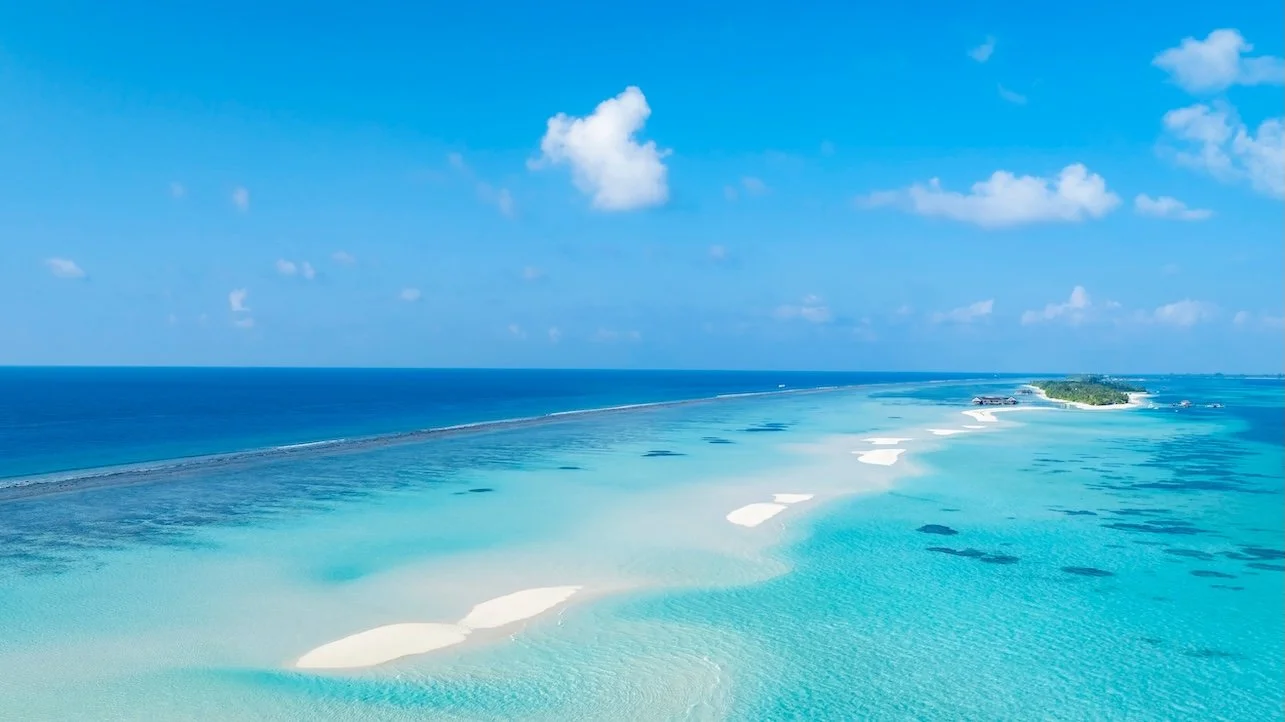
Boating to a sandbar refers to anchoring your boat near a shallow area of sandy bottom, often just under or above the water's surface. Passengers can comfortably stand, wade, or swim in these areas once your boat is safely anchored.
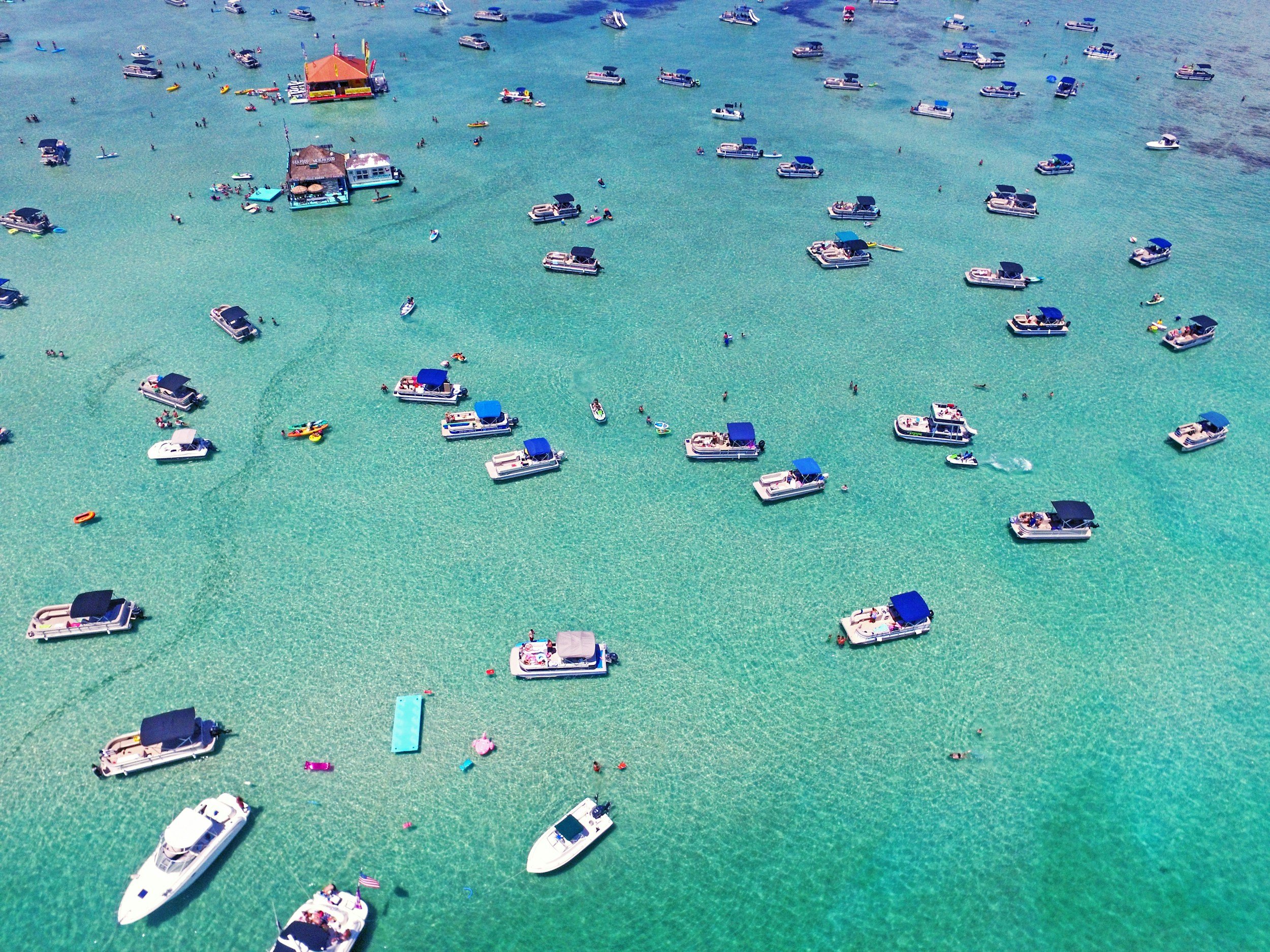
While many people associate sandbars with party boats, your typical sandbar boating experience is much less lively. Families may pack floats and coolers, couples may bring a picnic lunch, and groups of friends will likely bring a speaker for music at neighbor-friendly volumes and games for any kids who come along. For many people, visiting a sandbar is just a relaxing way to spend an afternoon on open water without needing beach parking lots or structured itineraries.
Plan Your Sandbar Day Before Leaving the Dock
Before you depart on your sandbar boat day, spend a few minutes preparing at your dock or landing. Keep the following in mind as you plan:
Weather: What's the forecast? Are there wind or storms expected, and how will conditions change throughout the day?
Tide information: Particularly near coastal areas, how will tide levels change while you're anchored, and when will you need to leave?
Navigation: Know how to get to the sandbar, including any channel markers you'll need to follow.
Water depth: Is the area surrounding the sandbar appropriate for your boat's draft?
Local restrictions: Are there anchoring or noise limitations in place, and if so, when?
Boat draft: How much water does your particular boat need to safely float?
Planned return time: Leave yourself plenty of time to return before conditions change.
Group needs: Remember the ages and swimming abilities of those in your group.
If you're unsure how conditions will change, ask someone at the marina where you're launching from. Most will know which sandbars are recommended for a sandbar boating outing that day and which areas to avoid. If you're planning your day around renting a boat in Florida, take some time to learn the rental process beforehand so you're not sorting out logistics on launch day.
What to Bring for a Sandbar Day
Bringing the right stuff is one of the biggest differences between a relaxing day out and cutting your trip short. Here's a recommended packing list for what to bring to a sandbar:
| Category | Items |
| Hydration & Food | Water, snacks, cooler |
| Sun Protection | Sunscreen, hats, sunglasses |
| Comfort | Towels, swimwear, water-appropriate footwear |
| Organization | Dry bag, trash bags |
| Recreation | Float toys if allowed |
| Safety | Life jackets, phone protection |
Every rental company and boat group has different gear and rules, so verify ahead of time what you need to bring and what they'll provide.
How to Approach a Sandbar Safely
Learning how to anchor at a sandbar starts before you even put your anchor down. Approaching safely ensures you and your passengers make it to your destination without incident:
Slow down once you enter shallow water
Watch for navigation markers on your route and pass them as instructed
Keep an eye on your depth finder as the sandbar approaches and conditions change
Once you're near the sandbar, watch for other swimmers who may be floating around it
Know your boat's draft so you know how much leeway you have
Don't blindly follow another boat into shallow water – they may have a different draft than you
Knowing how to anchor a sandbar boat is as simple as taking your time and is one of the most useful sandbar boating tips there is.
How to Anchor Responsibly at a Sandbar
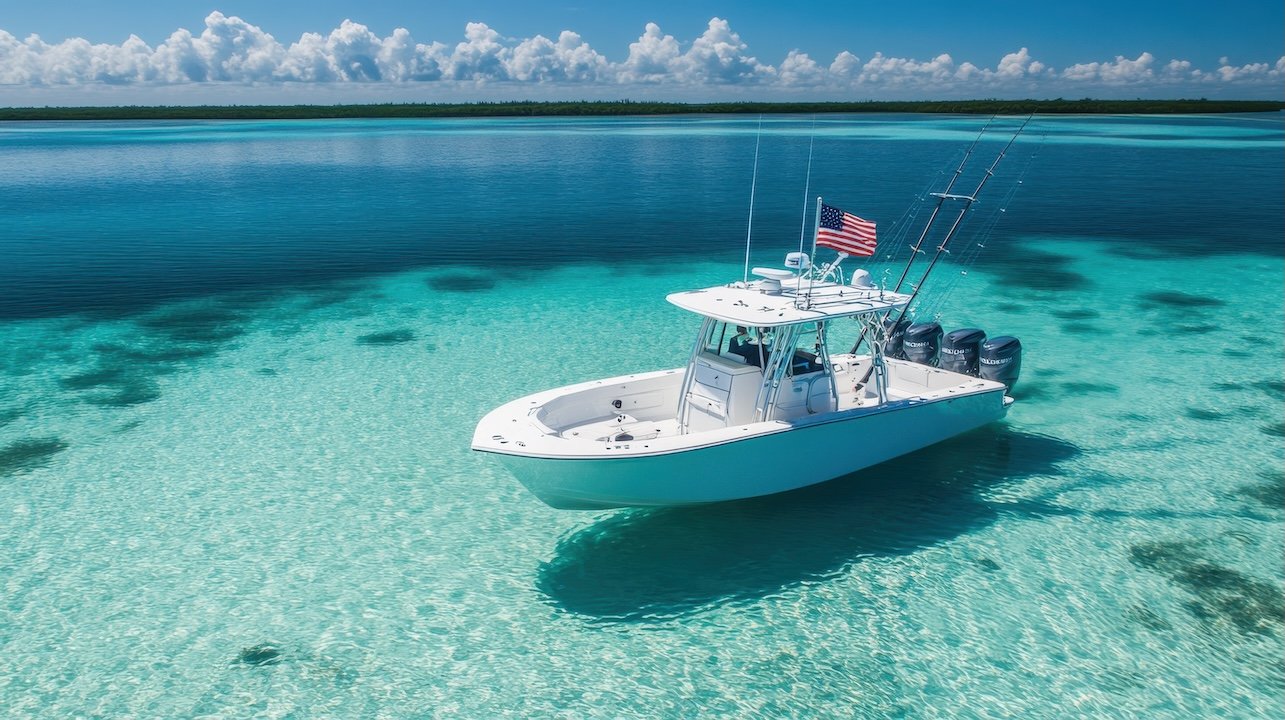
When you're ready to anchor, look for suitable conditions to anchor around rather than directly on vegetation or other sensitive areas. In Florida, this means paying attention to seagrass beds, which anchors and propellers can damage easily and which take years to recover. Do your part to keep them healthy with responsible sandbar anchoring.
Understand Tides and Changing Water Depth
Water levels near sandbars change throughout the day. A spot comfortable to stand on at high noon may become very shallow later in the afternoon as the tide shifts, and this is particularly true for sandbars near coastal waterways.
Because each location has different tides and conditions based on weather and topography, we don't recommend relying on vague tide "rules of thumb." Instead, research tide charts for your location before your visit and keep an eye on water levels while you stay. Learning to read coastal boating conditions can give you more confidence navigating new waterways.
Sandbar Etiquette: Sharing the Space
Practicing sandbar etiquette keeps your visit pleasant for everyone who shows up to relax that day:
Leave space between your boat and others
Keep your wake minimal when passing near anchored boats and swimmers
Keep music at a level that won't disturb your neighbors
Avoid blocking access for other boats that may want to anchor or depart
Always supervise children near your boat and others
Keep trash on your boat until you can dispose of it properly on land
Watch for wildlife and avoid disturbing nesting, feeding, or spawning areas
Do your best to leave the space as you found it
Following this sandbar day checklist for etiquette helps ensure a great experience for everyone at the sandbar.
Swimming and Family Sandbar Safety
Spending time swimming is the highlight of many sandbar outings. A few safety tips to keep in mind:
Know where your boat is at all times relative to your swimmers
Never allow someone in the water unless the engine is off and your boat is securely anchored
Keep young children closely supervised at all times
Watch for changes in current and water depth as tides shift
Use life jackets when necessary for your swimmers' comfort and ability levels
Keep your neighbors in mind when sandbars get busy
For complete and up-to-date guidance on safe boating practices, consult U.S. Coast Guard Boating Safety.[1]
Protect the Water You Came to Enjoy
Sandbars offer a great opportunity to relax, but your trip has an impact on the surrounding environment:
Avoid dropping anchor directly on seagrass beds
Keep wildlife at a distance and avoid nesting or feeding areas where possible
Keep all trash on your boat until you can dispose of it properly on land
Watch your propeller in shallow areas to avoid damaging the sand and underlying surfaces
Anchor responsibly, and reposition if you accidentally enter sensitive areas
Keep an eye on shifting conditions if you visit for several hours
Visit the Florida Fish and Wildlife Conservation Commission's boating and seagrass guidance for more on protecting Florida marine habitats, and NOAA for broader coastal marine and ocean habitat information.[2, 3] For general Florida boating regulations and shallow-water guidance, see the Florida Fish and Wildlife Conservation Commission.[4]
What Type of Boat Works for a Sandbar Day?
Many types of boats can accommodate a day on the sandbar. Your best bet depends on group size, the environment you're exploring, and what's available in your fleet. Pontoons or tritoons work great for larger groups, with plenty of deck space to lounge and easy water access. Runabouts may suit a smaller crew, or those who want to spend time cruising the waterway before settling onto the sandbar.
Depth, draft, local know-how, and experience should ultimately dictate what boat works best when looking for a boat sandbar outing, rather than assuming one type works for every waterway. Browsing pontoons, runabouts, and other boats ahead of time helps you find the right fit, and reviewing local boating rules can keep you from unknowingly violating area-specific regulations during your visit.
Make Sandbar Days Part of Your Boating Routine
Sandbars fit into almost anyone's boating routine, whether you're planning multiple stops in a day or a quick way to relax before heading back to shore. Boat club membership offers unlimited access to several boat types, taking the work out of determining which boat suits any given day, making it ideal if you plan on visiting sandbars regularly through the season.
Whether you're trying Florida sandbar boating for the first time or you've got plenty of experience, a little planning goes a long way toward your perfect day on the water.

FAQ
What is sandbar boating?
Sandbar boating means anchoring your boat near a shallow, sandy area to swim, relax, and spend time with family or friends for a few hours.
What should you bring to a sandbar?
Water, snacks, a cooler, sunscreen, hats, sunglasses, towels, swimwear, water-appropriate footwear, a dry bag, trash bags, life jackets, and phone protection.
How do you anchor a boat at a sandbar?
Pick a suitable location rather than anchoring on vegetation or other sensitive areas, and stay mindful of changing tides that can affect your anchor's hold.
Are sandbars safe for swimming?
Sandbars can be great for swimming, but always exercise caution near boat traffic and propellers, supervise children, and stay aware of currents.
How do tides affect sandbars?
Tides can make a sandbar shallower or deeper throughout the day, so check tide charts for your specific location rather than relying on general rules.
What boat is best for a sandbar day?
It depends on your group and local conditions. Pontoons and tritoons suit larger groups well, while runabouts suit smaller crews who want to explore.
What are the basic rules of sandbar etiquette?
Leave space around other boats, keep wakes and noise down, supervise children, keep trash onboard, respect wildlife, and leave the area as you found it.
Article Sources:
U.S. Coast Guard Boating Safety. https://uscgboating.org. Accessed August 14, 2026.
How Boaters Can Conserve. Florida Fish and Wildlife Conservation Commission. https://myfwc.com/conservation/you-conserve/recreation/boating. Accessed August 14, 2026.
National Oceanic and Atmospheric Administration. https://www.noaa.gov. Accessed August 14, 2026.
Boating. Florida Fish and Wildlife Conservation Commission. https://myfwc.com/boating. Accessed August 14, 2026.
