
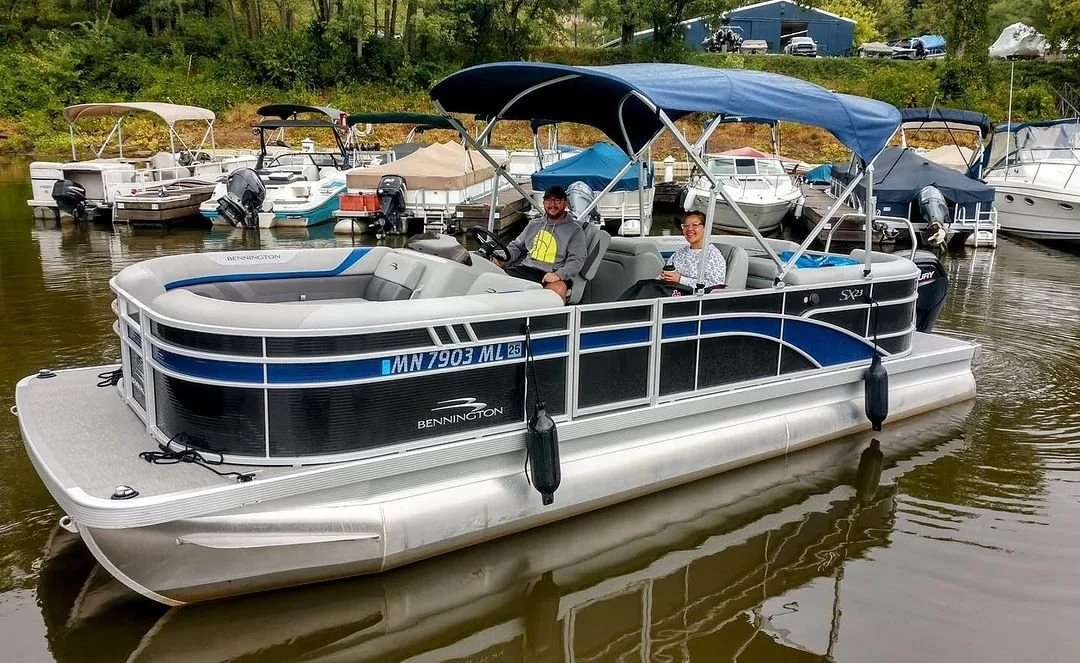
Boating laws dictate operating requirements, navigation rules, speed limits, safety equipment, and more. But boat etiquette is what makes a day on the water relaxed or stressful for everyone involved.
You're likely familiar with basic operation and safety procedures if you've rented a boat before or are a member of a boat club. But whether you're a first-time renter, a guest, or just learned you're joining a boat club with your family or friends this summer, a quick review of boat etiquette can keep you from committing faux pas and help you make everyone's day on the water more enjoyable.
Most boat etiquette is simple common sense: be aware of what's going on around you, communicate clearly with your group, and be respectful to everyone you encounter on the water.
Boat Etiquette Starts Before You Leave the Dock
Your boating etiquette starts before you push off the dock, so arrive on time. People count on your reservation to complete their own outing, since schedules usually revolve around limited tide windows or fixed rental blocks. Pack lightly, ask questions about the general plan ahead of time, and bring up special accommodations with the operator before boarding, not halfway through the day. Bring only the gear you need instead of overloading the boat with extras.
Operators set passenger limits for safety reasons. Don't bring extra guests without permission. And if you're brand new to renting boats altogether, we've compiled a helpful primer for first-time boat renters to review the basics. Good boat guest etiquette starts with knowing these expectations before you step aboard.
Respect the Boat Operator
Know who is driving the boat and treat their instructions as final. This doesn't mean you can't ask questions, but if the operator asks you to do something, or change your seat, follow directions. Good boat passenger etiquette means adhering to direction on where and when to sit, when it's safe to swim or handle gear, how to board and disembark, where to dock, and when it's time to head home.
If the captain asks you to move away from the edge, that's because they need full control of the boat to dock safely. It's also one of the most common boating mistakes renters make. Let the operator make independent decisions once on the water unless you are directing them.
Keep Boarding and Dock Areas Moving
Dock space is shared by dozens of boats and snakes across tight areas. Boat dock etiquette and marina etiquette should also be a priority, especially on busy days. Keep your items and guests organized, allow departing passengers to clear the dock before boarding, avoid blocking walkways or entry areas, and keep young children close to avoid stray limbs or kicks into equipment. Don't leave coolers, bags, or gear sitting where people need to walk, and stow items out of the way as soon as you're aboard.
Many docks will have instructions from the marina or dock staff on where to tie off, fuel, or handle other dock-specific procedures. Follow their lead if given.
Understand Wake Etiquette
Controlling wake and speed are critical parts of boating rules of etiquette. Speeding or driving too close to docks can swamp moored boats, rock entire marinas, or destroy personal property. Slow down near marinas, docks, anchored boats, groups of swimmers, shorelines, and smaller vessels.
Wake etiquette is different from official no wake zones, which are legally enforced speed restrictions. Learn more about where no wake zones are posted and how state boating regulations apply to your trip, then review additional safety guidelines with the U.S. Coast Guard. [1]
Give Other Boats Space
Boat courtesy means keeping away from anchored boats, avoiding driving too close during passing zones, and never splitting through groups rafted together. Give swimmers plenty of room too, even if they're near a boat rather than a designated swim area. Also give way to anyone fishing, and assume they don't see you.
Keep Music Fun Without Making It Everyone Else's Playlist
Music is always a fun part of boating, but sound carries for miles across open water. Keep music reasonable near docks, marinas, groups while anchored, waterfront restaurants, families, wildlife sanctuaries, and other boaters out enjoying the water. That's simply good boating courtesy.
Swimming and Watersports Etiquette
Let the operator know before anyone jumps in as they won't start the engine until they know how many people are in the water. Stay mindful of nearby boats while you're in the water, especially in busier swim areas or at sandbars where several boats are anchored close together. Keep your swim group organized, bring items back onboard promptly, and keep tow ropes close to avoid tangling in the propeller or drifting across another boat's cockpit.
Sandbar and Anchorage Etiquette
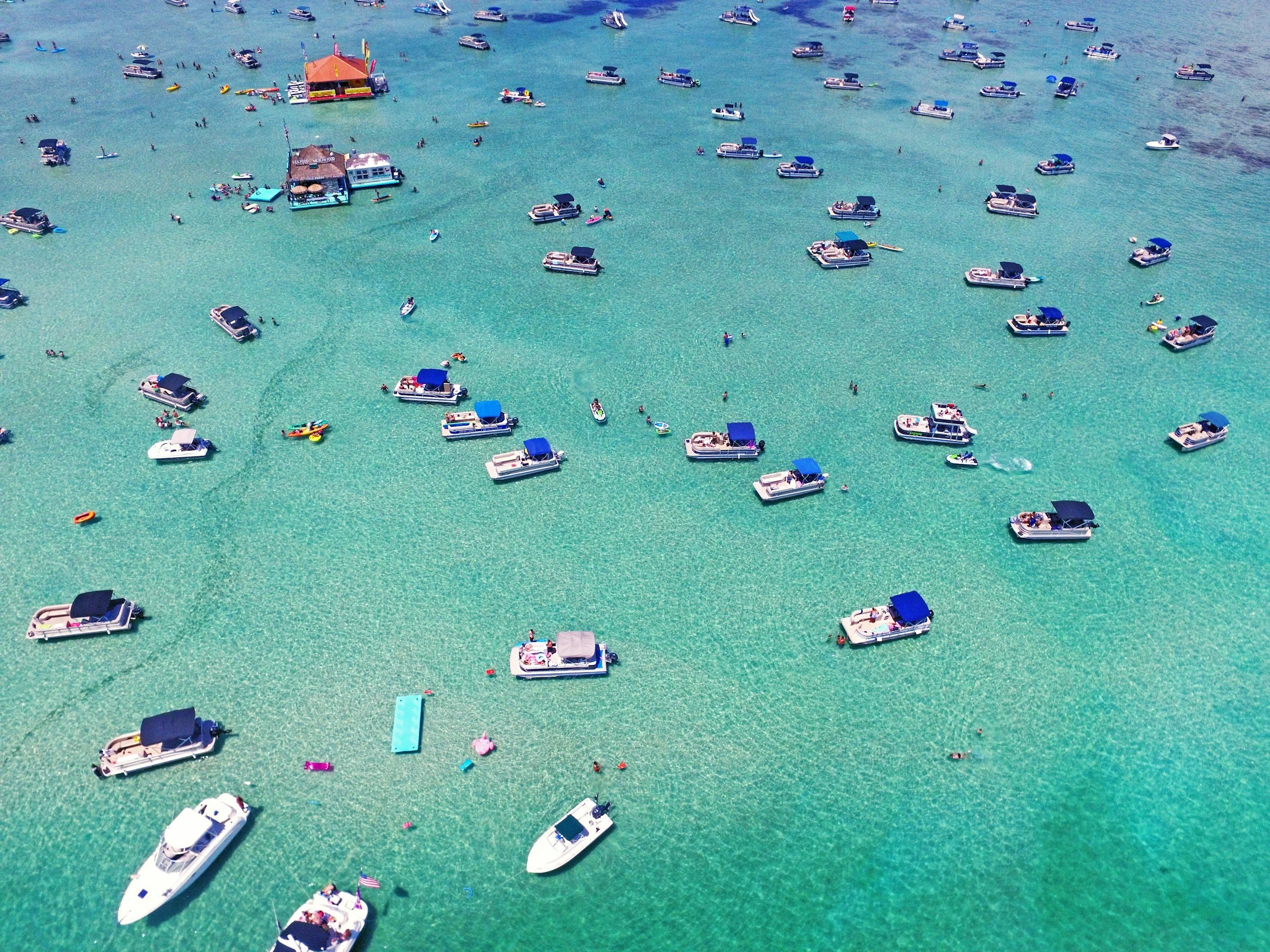
Sandbars are popular because they're fun, but sandbar etiquette is important because dozens of boats pack into a small area very quickly. Don't crowd the group ahead of you, keep wakes as low as possible, and avoid anchoring directly next to another boat if there's room to spread out. Keep your belongings controlled so nothing drifts into someone else's space. When you leave, clean up all trash and be courteous to swimmers and families with young children. Avoid anchoring where you might scrape against grassy seabeds or shallow water habitats.
Dock-and-Dine Etiquette
Approach dockside restaurants slowly and at low speeds, obeying any dockhands or staff directions. Dock staff are often juggling several boats at once during busy meal times, so a little patience and courtesy go a long way. Don't tie up for longer than your group needs, keep your wake minimized, and have passengers ready to depart when it's time to go.
Learn more about the specifics of docking at waterfront restaurants with our dock-and-dine guide.
Food, Drinks, and Trash
Pack all loose items and trash in secure containers. Never throw items overboard, and clean up spills immediately. Many boating regions prohibit glass containers on boats altogether, so be sure to check locally or review our Your Boat Club rental rules before packing your cooler.
Alcohol Does Not Override Boat Etiquette or Safety
If you plan to enjoy alcohol during your trip, plan ahead to separate legal passenger consumption and vessel operation. Safety rules and expectations don’t change if alcohol is involved.
Boating alcohol laws vary from state to state. Check your state's individual rules through the National Association of State Boating Law Administrators.[2]
Return a Rental the Way You Would Want to Find It
Take all your belongings with you, remove trash, clean up obvious spills, and return your rental on time. Report any damages rather than leaving them for the next person to deal with.
Part of why joining Your Boat Club is so convenient is because we take care of storage, maintenance, and keep your boat ready to go so you don't have to fuss on your end. Simply treat the boat how you'd want to find it when renting, and respect the crew and staff who make your day possible. That's boat rental etiquette in a nutshell.

Good Boat Etiquette Makes Everyone's Day Better
You don't need decades of boating experience to follow boat etiquette. Unwritten boating rules aren't complicated: be aware of your surroundings, communicate with your group, respect the captain, give other boats space, clean up after yourself, and follow all posted rules.
Practicing proper boat etiquette is just good boating manners. Do that, and you're sure to make every guest's day on the water more enjoyable.
| Situation | Good Etiquette |
| Boarding | Be ready and keep the dock clear |
| Underway | Follow the operator’s instructions |
| Near docks | Slow down and control wake |
| Passing boats | Leave comfortable space |
| At anchor | Avoid crowding neighboring boats |
| Music | Keep volume considerate |
| Swimming | Tell the operator before entering |
| Food and drinks | Secure containers and trash |
| Returning | Remove belongings and obvious mess |
Your Next Step on the Water
Want to dive into boat etiquette with your own boat? Take a look at Your Boat Club’s daily boat rentals or start exploring boat club membership options. New to renting boats? Ask questions specific to your needs or concerns before departing from the dock. Rental staff can help clarify anything about the vessel, the equipment you're using, or local waterways.
FAQ
What is proper boat etiquette?
Follow the operator's instructions, minimize wake, keep music reasonable, and clean up after yourself.
What should you do if someone invites you on their boat?
Arrive on time, only bring what you need, and follow the operator's instructions once onboard.
Should boat guests bring their own food and drinks?
Ask the operator first if outside food is allowed, keep all containers secure, and avoid glass where it's prohibited.
What is proper dock etiquette?
Keep docks clear so departing guests can exit first, keep gear and young children close, and follow staff directions when docking.
How close should you travel to someone else's boat?
Give other boats space when passing, anchoring, or when another boat is rafted with friends. Assume other operators can't see you.
What is proper wake etiquette on the water?
Slow down near docks, marinas, anchored boats, swimmers, and smaller watercraft.
Should boat guests offer to help dock a boat?
Only if the operator requests help. Otherwise, wait to board or disembark until they give the okay.
What should you do before returning a rental boat?
Remove all belongings, take out trash, clean up spills, return on time, and report any issues to staff.
Sources:
U.S. Coast Guard. https://uscgboating.org. Accessed August 14, 2026.
National Association of State Boating Law Administrators. https://www.nasbla.org/home. Accessed August 14, 2026.
